


What Is Radon?
Radon is a cancer-causing gas that occurs naturally from radioactive materials breaking down in the soil. It can move through the soil and into homes, collecting in the basement or lower levels. Radon cannot be seen, smelled, or tasted by people.
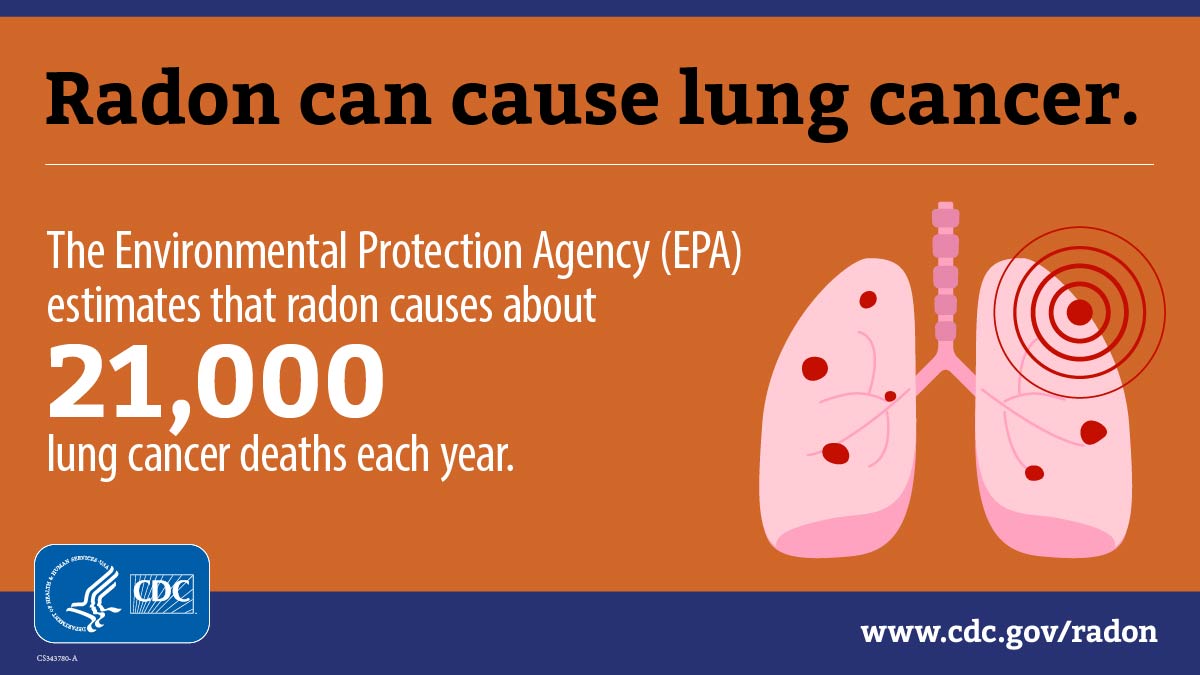
Radon is the leading cause of lung cancer in non-smokers.
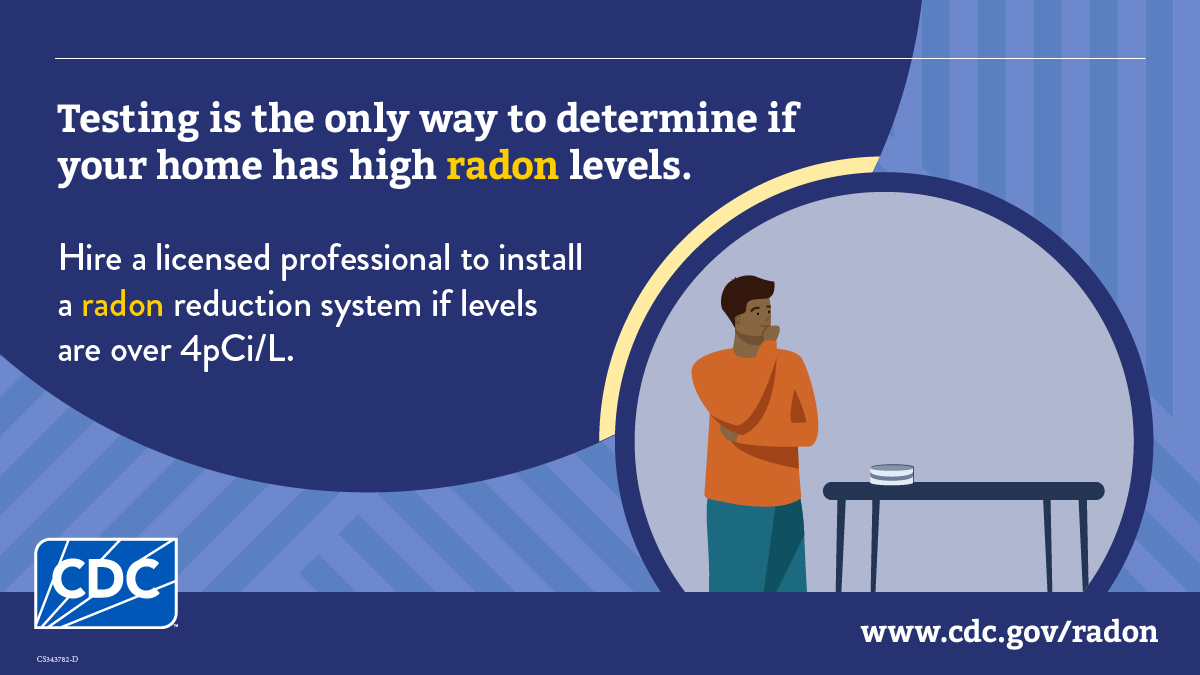
The only way to know if your home has radon is to test for it. The amount of radon gas being released from the soil can vary from home to home.
NOTE: If you require closed captioning, please click the CC button on the player to turn them on.
Testing for Radon
To find out if radon is present in your home, a first-time or "screening" test should be completed. A screening test can be done with a short-term carbon canister kit. Kits can be purchased from the Southeast Wisconsin Radon Information Center.
MKE Fresh Air offers free test kits for some Milwaukee zip codes.
Place the radon test kit in the lowest “lived in” portion of the house. Follow the kit instruction sheet for information about where the kit should be placed, how long it should remain in place, and where to mail the kit for analysis.
Results and Next Steps
If your initial screen test result is:
- Below 4.0 pCi/L - No action is necessary. Re-testing is recommended every 2 years.
- Between 4.0 pCi/L and 8.0 pCi/L - Complete a follow-up test with a long-term test kit. The long-term test kit runs for 91-365 days and can be purchased from the Southeast Wisconsin Radon Information Center.
- Over 8.0 pCi/L - Conduct a follow-up test with another short-term test kit.
For initial results 4.0 pCi/L and above after follow-up test:
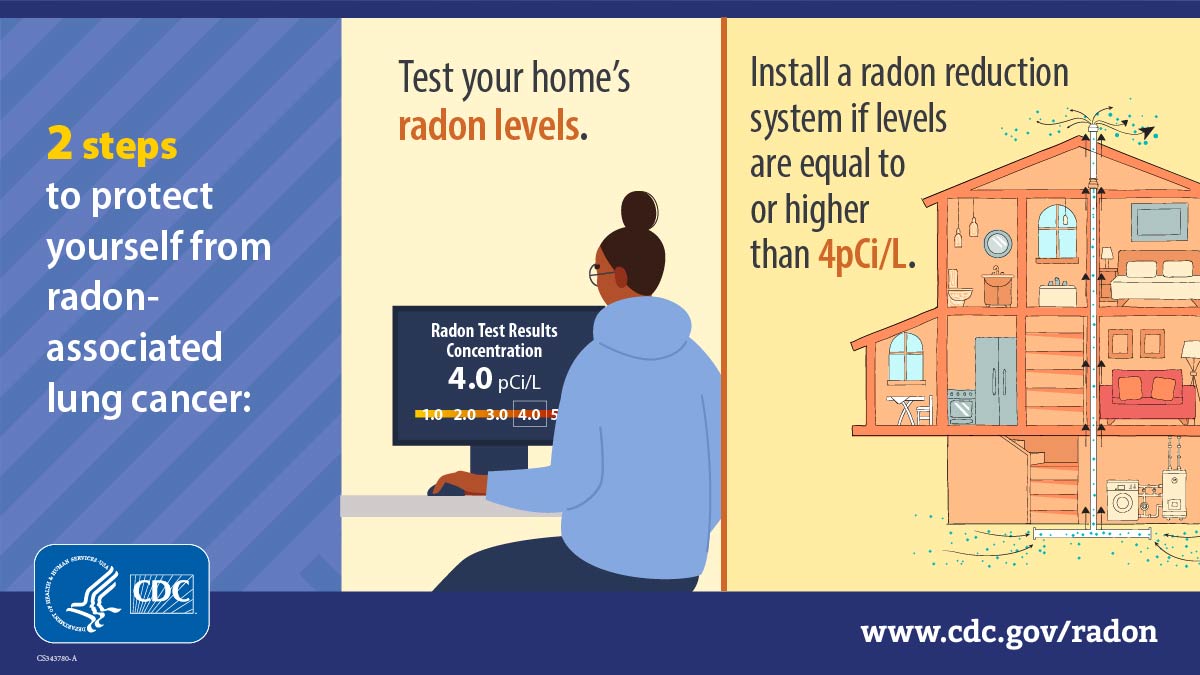
- If follow-up test confirms levels above 4.0 pCi/L, mitigation is recommended.
Mitigation
If your radon test results show radon levels above 4.0 pCi/L, a radon mitigation system is recommended. Mitigation systems are a system of fans and pipes installed underneath the home to direct radon outside of your home.
A radon mitigation system costs $1500-2000. The more time you spend in your basement or lower level, the more important it is to install a mitigation system.
There is no required certification or licensing for radon mitigation contractors in Wisconsin. The Wisconsin Department of Health Services webpage has some tips for finding a reputable contractor.
Frequently Asked Questions
How does radon get into my home?
Radon gas forms when radioactive materials in rocks and soil break down. This gas seeps through the soil and can move through small cracks in the foundation of a building to reach the basement or lower level of a home.
Is there a safe level of radon?
There is no safe level of radon to breathe, but there is a lower risk of health effects at lower levels. 4.0 pCi/L is the EPA and CDC recommended threshold for installing a radon mitigation system.
What are the health effects of radon?
Radon exposure can lead to respiratory illnesses such as asthma and chronic obstructive pulmonary disease (COPD). Most commonly, though, there aren’t any symptoms until lung cancer has developed and progressed.
Radon is the second leading cause of lung cancer after smoking. Radon causes an estimated 21,000 lung cancer deaths each year in the United States. A combination of smoking and radon can increase the likelihood of lung cancer.
What local radon resources exist?
The Southeast Wisconsin Radon Information Center is a regional entity that provides guidance and resources on radon testing and mitigation in Milwaukee, Waukesha, and Racine Counties. You can visit their website for additional information and/or to purchase a test kit.
MKE Fresh Air Collective is a non-profit organization that works on indoor and outdoor air quality action in Milwaukee. They provide radon information and free radon testing for some Milwaukee zip codes. Visit their website for additional resources and information.
Where can I buy a radon test kit?
Radon test kits can be purchased at-cost from the Southeast Wisconsin Radon Information Center housed within Waukesha County. Purchase test kits HERE.
MKE Fresh Air Collective provides radon information and free radon testing for some Milwaukee zip codes. Visit their website for additional resources and information.
How much does a radon test kit cost?
Short-term radon test kits for an initial test of your home can cost $10-25, depending on the manufacturer and retailer. Long-term test kits for following-up on an initial radon test can be $20-$70.
You can buy at-cost radon test kits from the Southeast Wisconsin Radon Information Center housed within Waukesha County ($10 for short-term tests, $20 for long-term tests). Purchase test kits HERE.
What if I am a renter?
As a renter, you are entitled to live in a safe and healthy environment. Landlords are required to disclose known radon hazards before entering into a rental agreement. If you test your home and find elevated levels of radon, inform your landlord immediately and request that they fix the issue! It is unlawful for a landlord to retaliate against you for informing them of a radon test result.
Find additional resources by viewing the Radon & Renter’s Rights Guide, put together by MKE Fresh Air and Legal Action of Wisconsin.
How much does radon mitigation cost?
A radon mitigation system can cost about $1500-2000. The more time you spend in your basement or lower level, the more important it is to install a mitigation system.
Find a reputable radon mitigation contractor. This Wisconsin Department of Health Services webpage has some tips for finding a contractor.
What if the price of a mitigation system is outside of my budget?
If your radon test reports a high level of radon in your home, limit the time spent in the lowest level of your home as possible. For example, bring laundry upstairs to be folded. Children should be kept out of areas with high radon levels as much as possible.
Who can I contact with additional questions about radon?
For general questions about radon, you can call the Milwaukee Health Department at (414) 286-6800.
Visit the MKE Fresh Air website for information. They can be contacted at [email protected].
For additional questions, contact the Southeast Wisconsin Radon Information Center by emailing [email protected] or calling 262-896-8300.