


Taking Milwaukee’s Pulse: Inside the 2025 Community Health Assessment
 The 2025 City of Milwaukee Community Health Assessment uses data, lived experience, and input from thousands of residents to answer a simple question: what does health look like in Milwaukee today?
Finalized in December 2025, the CHA is the city’s most comprehensive snapshot of health and well-being. It examines how the conditions people live in every day show up later in their health outcomes. Variables like housing, education, safety, mental health, and economic stability all impacting overall health.
More than a report, the CHA serves as a shared reference point for residents, community organizations, healthcare systems, funders, employers, and policymakers working to understand what is driving health outcomes in Milwaukee and what needs to change next.
What is a Community Health Assessment?
A Community Health Assessment is a public report that paints a comprehensive picture of the health status of a population, and what factors contribute to higher risks of poor outcomes. In other words, the CHA helps show how people in Milwaukee are really doing.
Ali Reed, Director of MHD’s Data and Evaluation team, explains.
“Community Health Assessments done by local public health departments get to the root causes of what residents say they’re experiencing, what the data shows across neighborhoods and populations, and how those pieces connect,” said Reed.
For example, the 2025 CHA shows that nearly one in five adults in Milwaukee experiences frequent mental distress, meaning they felt poor mental health for two or more weeks in a single month. It also shows that violence and injury continue to be major drivers of early death and disability in the city.
The assessment points to ongoing gaps in access to care, with 15% of adults reporting they do not have a regular healthcare provider. It also makes clear how closely health is tied to housing. In focus groups, residents described mold, fire hazards, and fear of eviction as constant stressors that affect both their physical and mental health.
 Beyond explaining the data, the CHA also serves a practical role for local health departments and community partners.
Like all Wisconsin public health departments, MHD is required by the Wisconsin Department of Health Services to produce its own community health assessment. A CHA is also a requirement for accreditation, which MHD is pursuing.
Accreditation is a national review process that assesses how a health department plans, partners, and delivers services. Gaining accreditation status helps ensure that MHD meets high standards for quality, transparency, and community engagement.
The CHA also guides what comes next for MHD by shaping its work and initiatives, guiding the funding it pursues, and inspiring future partnerships.
“It really helps set the direction for what comes next and how we respond to what the data is telling us,” said Dominique Hyatt-Oates, Deputy Commissioner of MHD’s Policy, Innovation, and Equity (PIE) Division.
What makes the CHA special
Out of all of the public health reporting that MHD produces, the CHA stands out because it combines data with direct input from residents across the city. The assessment reflects what thousands of residents reported in surveys and focus groups, and what community partners emphasized as urgent or persistent.
In total, the CHA draws on 3,400 community surveys, 46 interviews, and 14 focus groups.
“Our team did a bunch of focus groups and surveys to understand what’s important to the community, versus things that we can just measure with data we have access to,” said Public Health Epidemiologist Cait McCrory. “Those surveys and listening sessions provided so much more color to these, normally, black and white numbers that we're seeing on a regular basis. It also reminded us that what we are seeing is actually being experienced by the community.”

The behind-the-scenes work into producing a CHA
By the time a report is published, most people only see the final product: a PDF, a summary, and various data.
What they don’t see is how much coordination and planning it takes to do community-informed data collection well, especially when trying to reach groups that are often underrepresented.
“It takes a lot of time and planning if you want to do this work intentionally and fairly,” McCrory said.
MHD’s Data and Evaluation and Strategy teams worked closely with community partners to recruit participants, build trust during focus groups, and ensure people were compensated for their time. They also helped design questions that reflected Milwaukee’s specific public health needs.
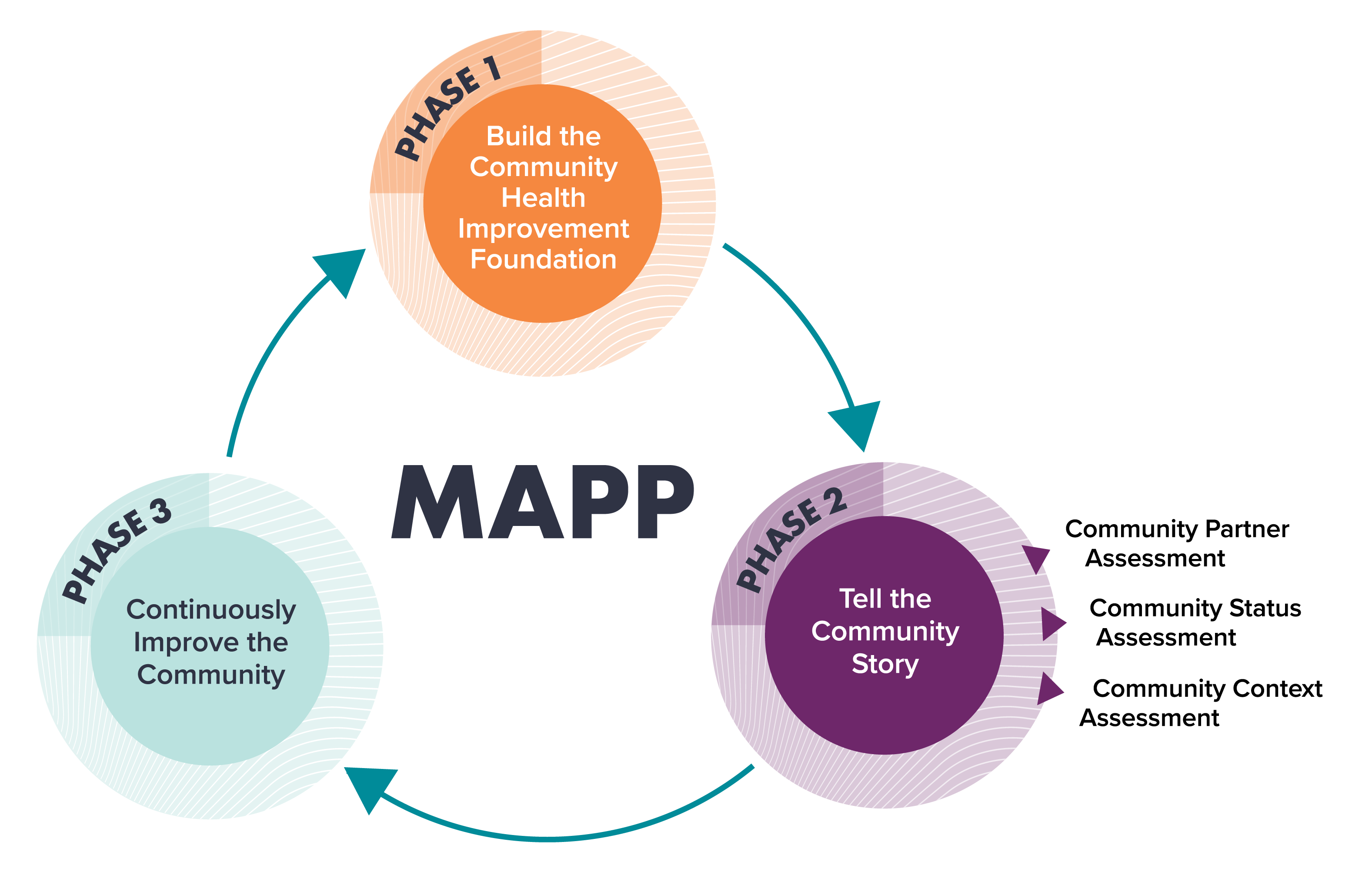
Once the data is collected, next comes the work of writing an accurate report that meets accreditation standards and is still readable.
“Writing the CHA took us several months. We had a checklist of things that had to be in it, and it was our team's responsibility to make sure those things were included,” Reed said.
That checklist includes essentials like documenting barriers, highlighting community assets, and making sure the assessment reflects who Milwaukee is.
The three-year cycle and why MHD changed its process
 Historically, MHD completed a CHA every five years, which is the minimum requirement for local health departments. However, the Milwaukee HealthCare Partnership produces a shared Community Health Needs Assessment for its members within the county every three years, and hospital systems are also required to complete their own Community Health Needs Assessments (CHNAs) every three years.
The misalignment created a problem. By the time city leaders were using ‘recent’ Milwaukee-specific data, it was already aging out.
Moving to a three-year cycle keeps Milwaukee’s CHA aligned with the Milwaukee HealthCare Partnerships CHNA and hospital CHNAs, ensuring everyone is working from the same snapshot of what’s happening now in the city.
“It was a huge lift for our team to do this in three years,” Reed said. “Being able to get on board and dig in was a lot of work, but I think the team handled it really well.”
Berrit Goodman, Wisconsin Population Health Service Fellow, explained that aligning the CHA and CHNAs also helps prevent multiple versions of the same work by different institutions.
“Since we serve overlapping populations, it makes sense to have a unified survey, so people aren't asked to do five different surveys for different organizations,” Goodman said.
 What the CHA tells us about Milwaukee right now
The CHA makes clear that while some health indicators in Milwaukee are improving, deep inequities remain and many have persisted across multiple assessment cycles.
“We have a lot of work to do in Milwaukee, I think that's obvious,” Reed said.
Across the CHA, the same pattern shows up again and again. The conditions people live with every day play a major role in shaping their health over time.
For example, unintentional overdoses now account for nearly 20% of all years of life lost in Milwaukee, underscoring how substance use and instability continue to drive premature death.
McCrory listed some examples of those health outcomes and upstream factors.
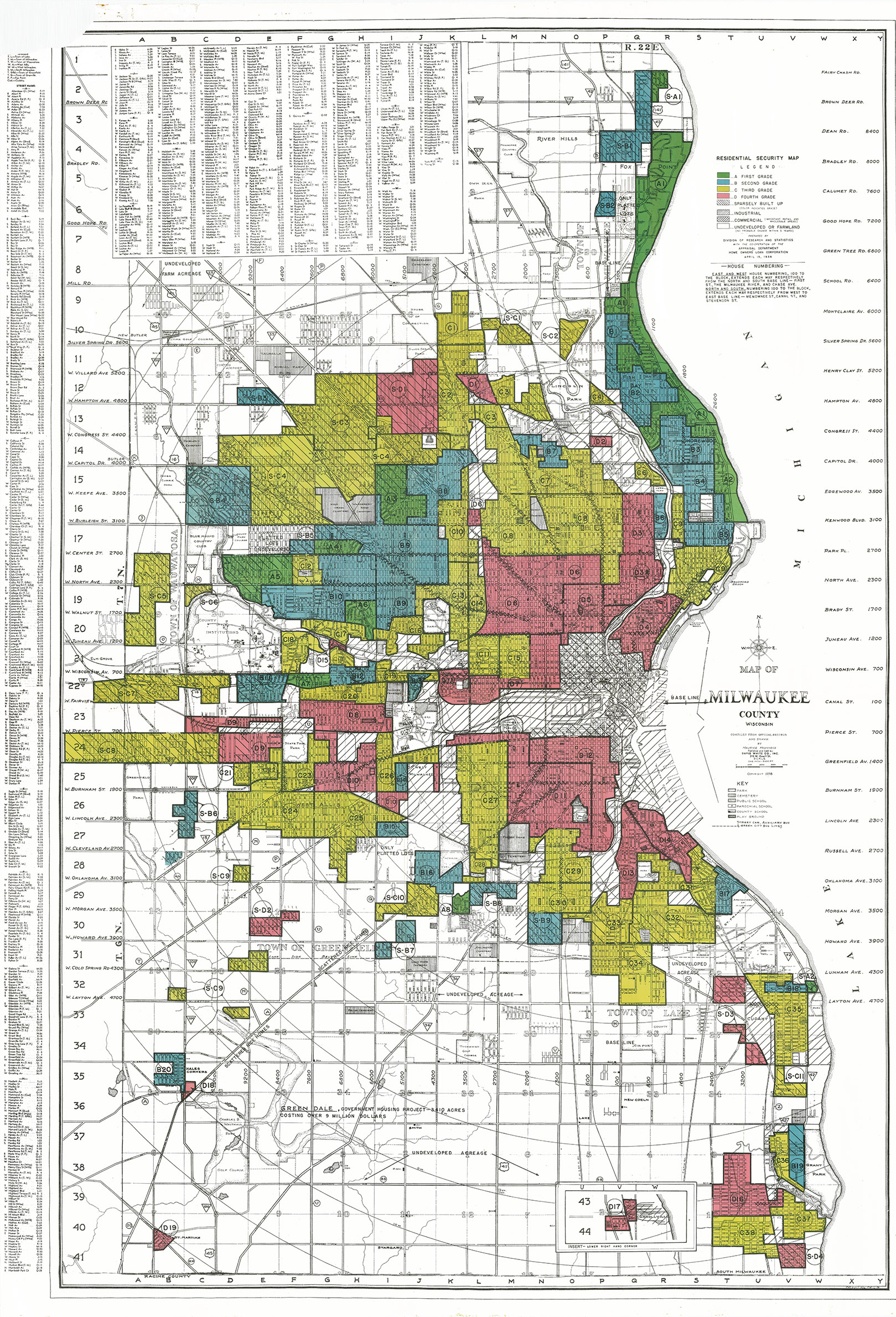
“When we looked at policies that affect maternal and child health outcomes, like birth weight, infant deaths, and maternal mortality, we could see how much those policies either support or fail to support the health of families,” McCrory explained. “We also learned how older housing stock near industrial sites can aggravate asthma in children, which shows up as higher rates of asthma-related emergency department visits in certain parts of the city. Also, in areas with older housing stock, there is often more dust and more of a challenge keeping homes clean, which can make it harder to keep asthma under control.”
“It’s a huge domino effect when you have some of these health issues. They all impact each other,” Reed said.
Ryan Honeck, Data and Evaluation Coordinator, said one of the most striking findings for him emerged when the team looked at life expectancy trends before and after the COVID-19 pandemic.
“For the entire city as a whole, life expectancy decreased during COVID in 2020. In the years following that, white, Hispanic, and Asian groups started to have their life expectancy return to normal,” Honeck said. “But those groups’ levels bounced back at a much more rapid pace than Black males and Black females.”
The pattern shows that while some communities rebounded, others did not, highlighting how strongly social and economic conditions shape recovery.
Who the CHA is for
The CHA is publicly available for anyone to access and can be used as a guide for MHD, healthcare groups, and community organizations to decide ‘what’s next’.
“It would be beneficial for community partners to share the CHA within their organizations and move forward with this work,” said Kong Xiong, Data and Evaluation Coordinator. “The health department isn’t exactly a ‘boots on the ground’ organization, so this is something we can provide the community to let them do groundwork.”
While MHD can produce the data, the department relies on its partners and community members to help implement programs and initiatives that have positive influences on city residents.
Hyatt-Oates noted there are many organizations that could use the CHA to influence their work and client relationships.
“In hospitals, when you're dealing with patients and prescribing a recommended plan of care, it's hard to understand their lived environment. You don't know what food is in the cabinet, the condition of the home, the condition of the neighborhood, how far a pharmacy is, what their transportation looks like,” Hyatt-Oates said. “If hospitals actually want to see improved health outcomes, they need to be able to see that context.”
“I would also like to see this in other non-traditional settings, even in business settings. If you want healthy employees, there are things you should consider to ensure they show up every day as a great employee,” Hyatt-Oates explained. “I really appreciate the CHA in that it's an opportunity to show everyone how they can be a public health professional.”



 What happens next: from CHA to action
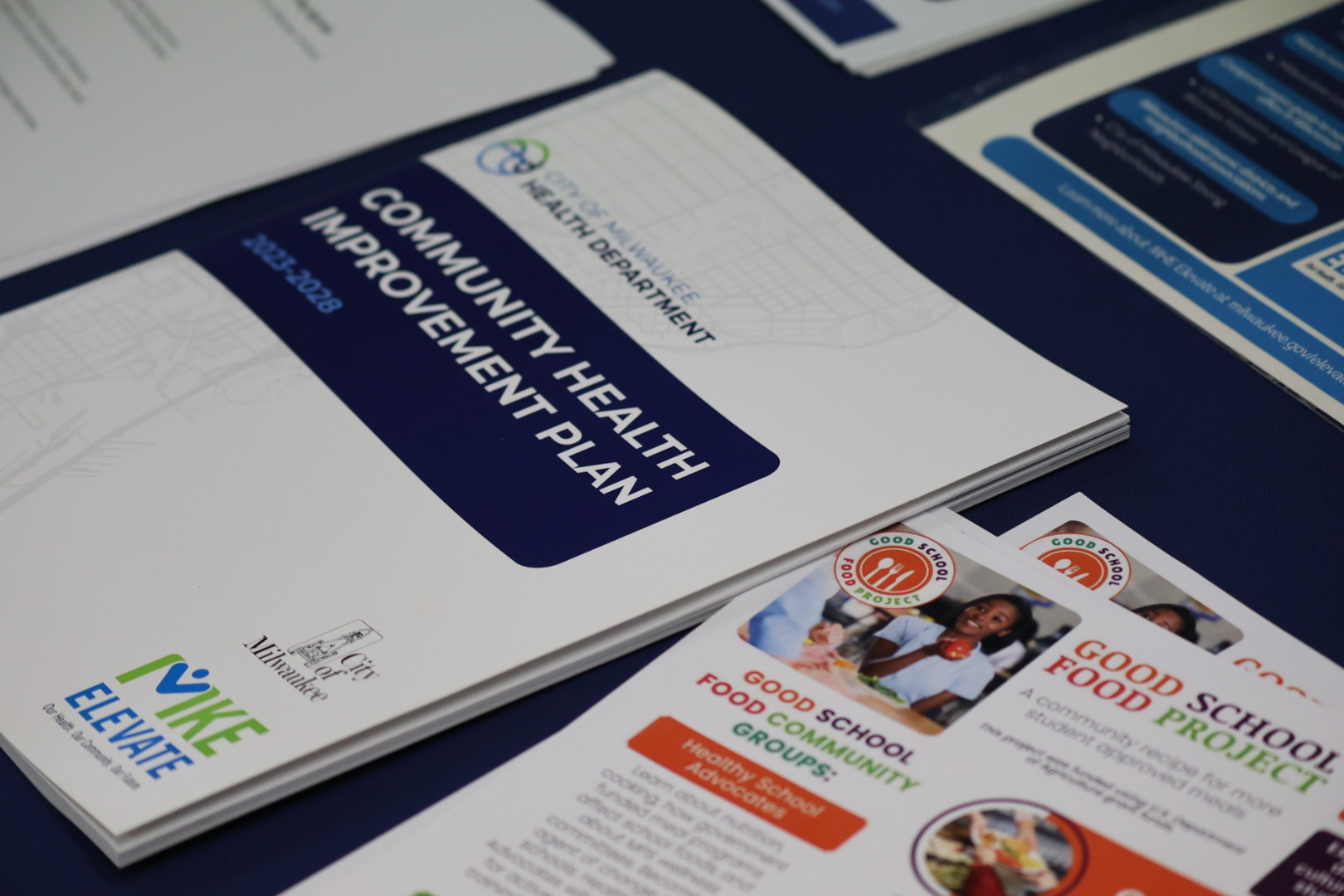
Normally, MHD uses the CHA to build a Community Health Improvement Plan (CHIP), which is a community-driven plan that sets shared priorities and measurable goals.
In Milwaukee, that work happens through MKE Elevate, a community-driven partnership focused on improving health outcomes across the city.
Completing the CHA two years ahead of schedule lets MHD review the current CHIP, then strengthen and refocus the work of MKE Elevate.
This is also where the CHA becomes a practical tool for partners across the city. It can support grant writing, board reports, policy advocacy, and program planning.
“We hope this data can help agencies and other organizations apply for grant dollars too,” Reed said. “The CHA is a citable document to give them the data they need.”
Spreading the word will be vital in making sure the CHA is used as the tool it was intended to be.
“Our communications team has called 2026 ‘The Year of the CHA,’ which I love,” Hyatt-Oates said. “They’re going to use it in everything they do and make sure people understand the CHA is an incredible resource.”

Pictured MHD Staff and MKE Elevate Strategists (from left to right): Anneke Mohr, Betsy Vornholt, Bethany Kasprzyk, Sivani Manchu, Anna Narvey, Amanda Richman, Robert Walker, Hannah Trasser, Marques Hogans, Alex Kohn
What the team hopes residents take away
Beyond charts, priorities, and policy discussions, the CHA is ultimately about people.
“I hope a resident who's never seen a CHA would see we are paying attention to what's going on in the community. We care and I hope they see they're not alone,” Reed said.
“While there's an overwhelming amount of data that shows a lot of problems happening in the city, the CHA shows us there's also so many different assets and strengths that already exist in our communities, making us healthier every day,” McCrory added.
“I hope it inspires more collaboration,” Goodman said. “The issues highlighted in the CHA are really large, so I hope that by highlighting them, people will want to collaborate and partner on them.”

How to use the CHA
If you’re reading the CHA as a resident, an organization, or a partner, here are a few ways to start:
- Find what reflects your lived experience (housing, safety, access to care, mental health, transportation, chronic disease) and use the data to validate what you already know.
- Use the CHA to support funding requests like grant applications, proposals, and community investment plans.
- Use it to shape program priorities especially when deciding what to expand, refine, or stop.
- Use it as a shared reference in conversations with partners, boards, elected officials, or community members.
The CHA exists to be read and used strategically. Its value depends on what residents, organizations, and institutions choose to do with it next.
Quick Links
Featured in This Post

Dominique Hyatt-Oates, MSN, RN, PHN
Deputy Commissioner of Policy, Innovation, and Equity (PIE)

Ali Tahler-Reed
Director of Data and Evaluation

Cait McCrory, MPH
Epidemiologist

Berrit Goodman, MPH, MSOT
Wisconsin Population Health Service Fellow

Ryan Honeck
Data and Evaluation Coordinator

Kong Xiong, MPH
Data and Evaluation Coordinator