


Fall Leaf Collection
City of Milwaukee residents may rake leaves into the street from October 1 through November 15 (MCO 79-11). Fall 2026, residents also have the option of bagged leaf collection with a Leaf Pick Up service request. No special request for leaf collection is necessary for loose piles until Sanitation has completed collection of the route after leaf rake-out. Leaf collection operations cycle through the city systematically beginning mid-October. Once leaf rake out ends, DPW makes one final collection sweep across the City. To be collected, ensure that leaves have been raked out by the leaf rake-out deadline. Leaves raked out/set out after the deadline will not be collected.
Sanitation Services offers these tips:
- Save the time raking or bagging leaves; mulch leaves into your lawn for a free, nutrient-rich fertilizer.
- Keep piles away from sewer grates, storm drains, and low-hanging trees.
- If raking leaves loose into the curb lane. Leave a one-foot gap between the leaves and the curb.
- The 1' gap helps ensure the equipment can collect all of the leaves and protects the equipment from being damaged and helps prevent flooding by allowing stormwater to move to the storm drains.
- Include yard debris such as flowers, garden trimmings, and weeds on top of leaf piles.
- Do not include grass clippings, pumpkins, or litter.
- Leaves collected by the City are composted; do not use plastic bags.
- Do not put brush in the leaf piles. Keep brush separate and located between the curb and sidewalk. Call 414 286-CITY or request a brush collection online.
New Leaf Collection Option For Fall 2026
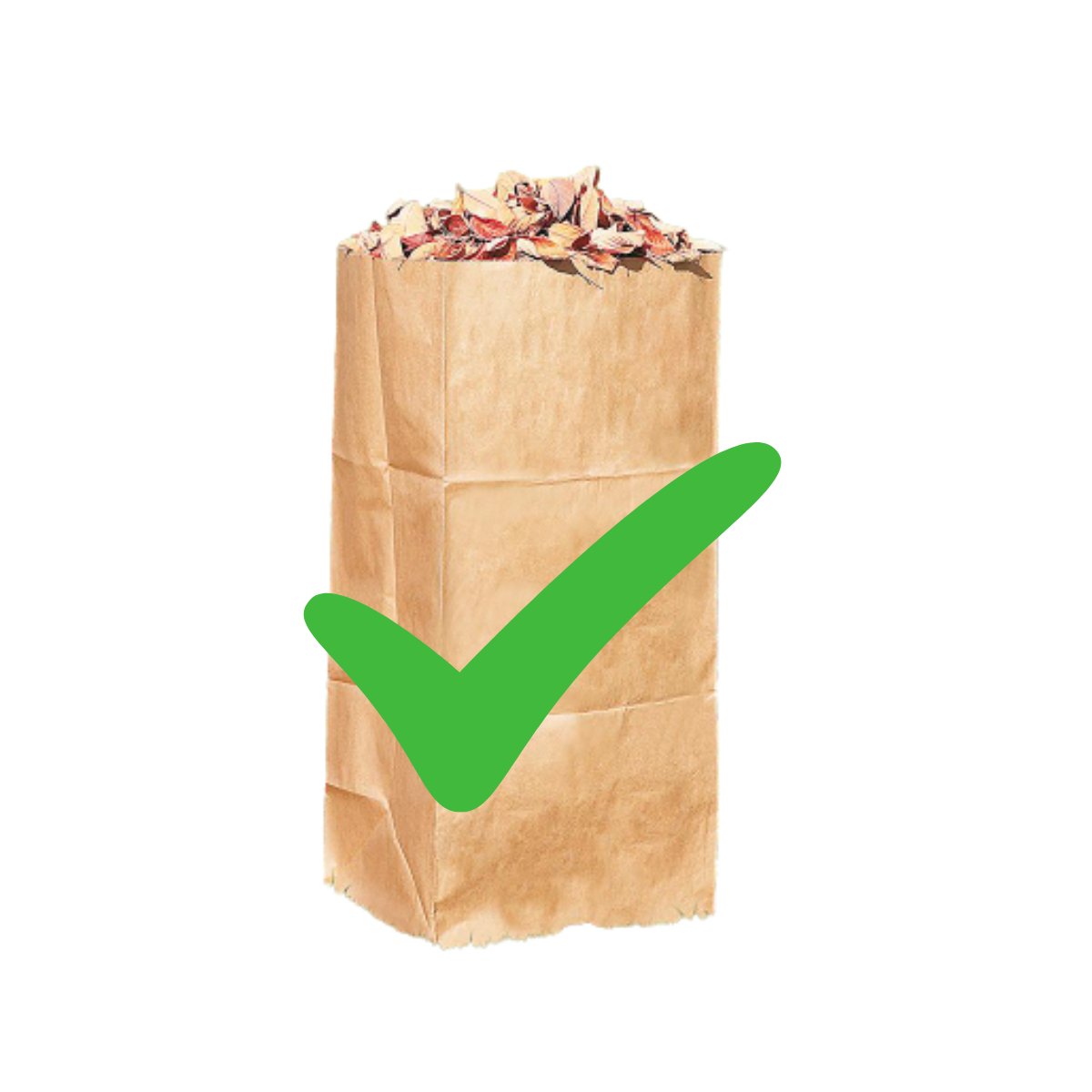
While leaves may be raked into the street as in previous years, beginning in fall 2026, residents have another option during the Fall Leaf Rake-Out (October 1 to November 15). Residents may place leaves in paper bags curbside and place a service request for collection by calling (414)286-CITY (2489). This new option helps keep leaves out of storm sewers, improves collection in parking-congested areas, and expands leaf disposal options for residents. Plastic bags of any kind are prohibited.
Leaf Collection Progress
When bulk leaf collection begins in mid-October. The map will be updated with where crews are headed next, where we are working, and what has been completed.
Other Leaf Disposal Options
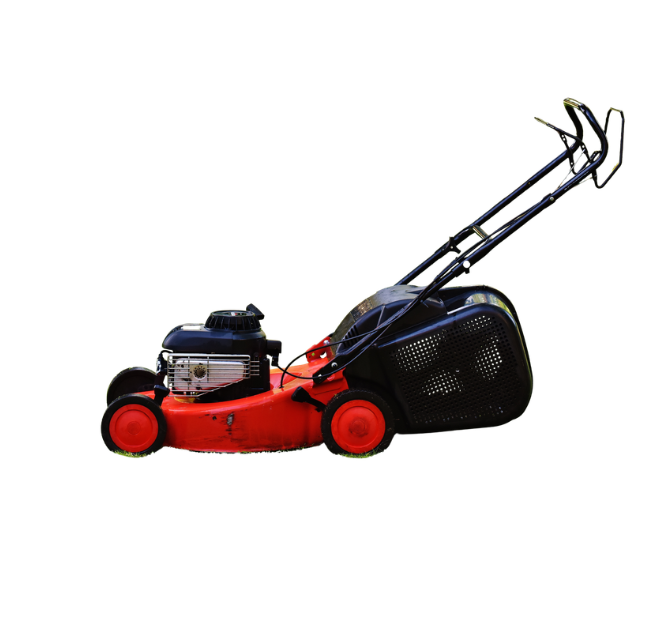
Mulching – Chop leaves with a mower or shredder to return nutrients to the soil, improve lawn and garden health, and help suppress weeds. Leaves can also be placed around trees and perennial beds to protect roots during winter.
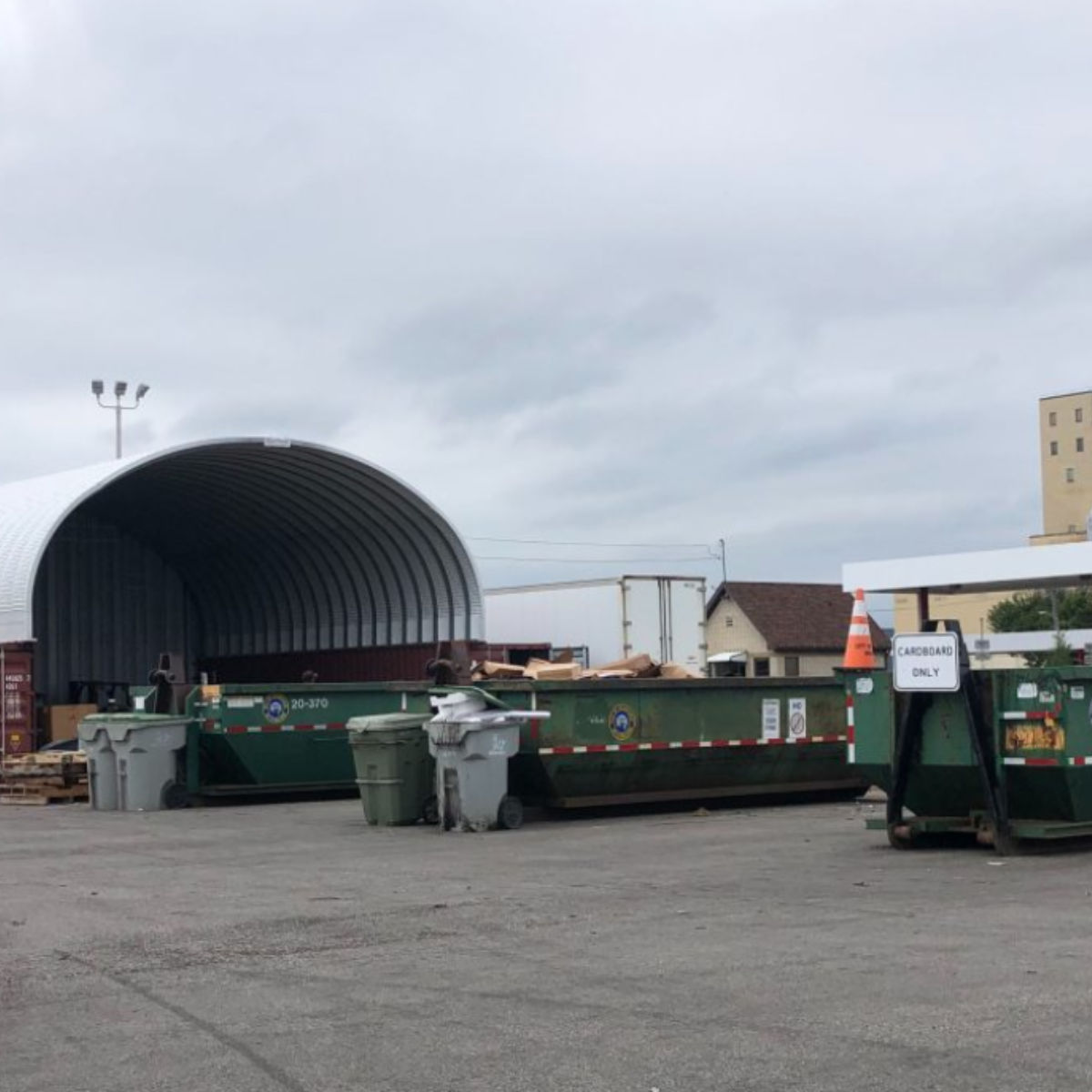
Drop-Off Centers – Bring leaves and yard waste to any City Drop-Off Center for free year-round. Available to City of Milwaukee residents and property owners.
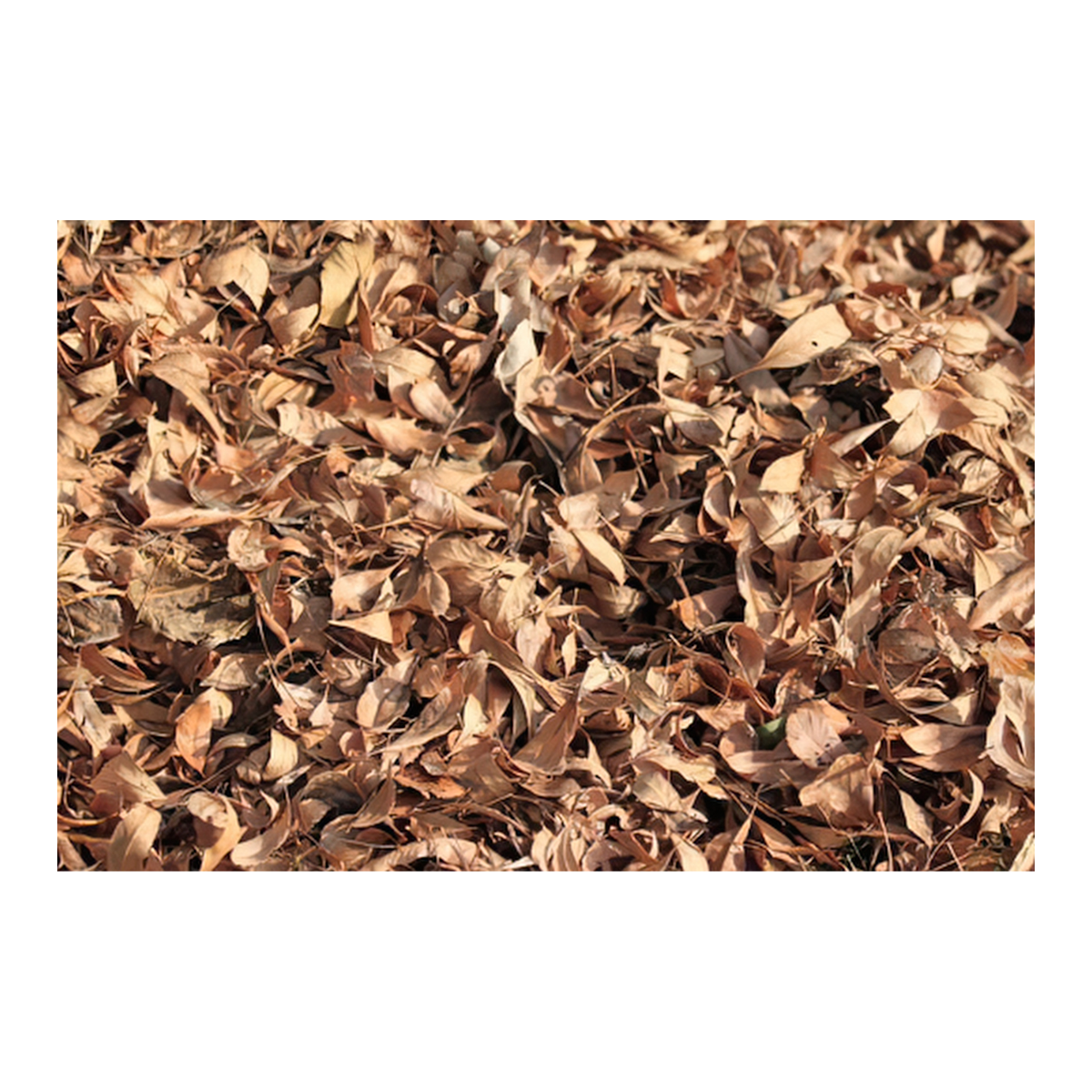
Leave Them – Leaves can remain where they fall and will naturally decompose over winter. While heavy leaf cover may impact spring growth, grass is dormant during winter.
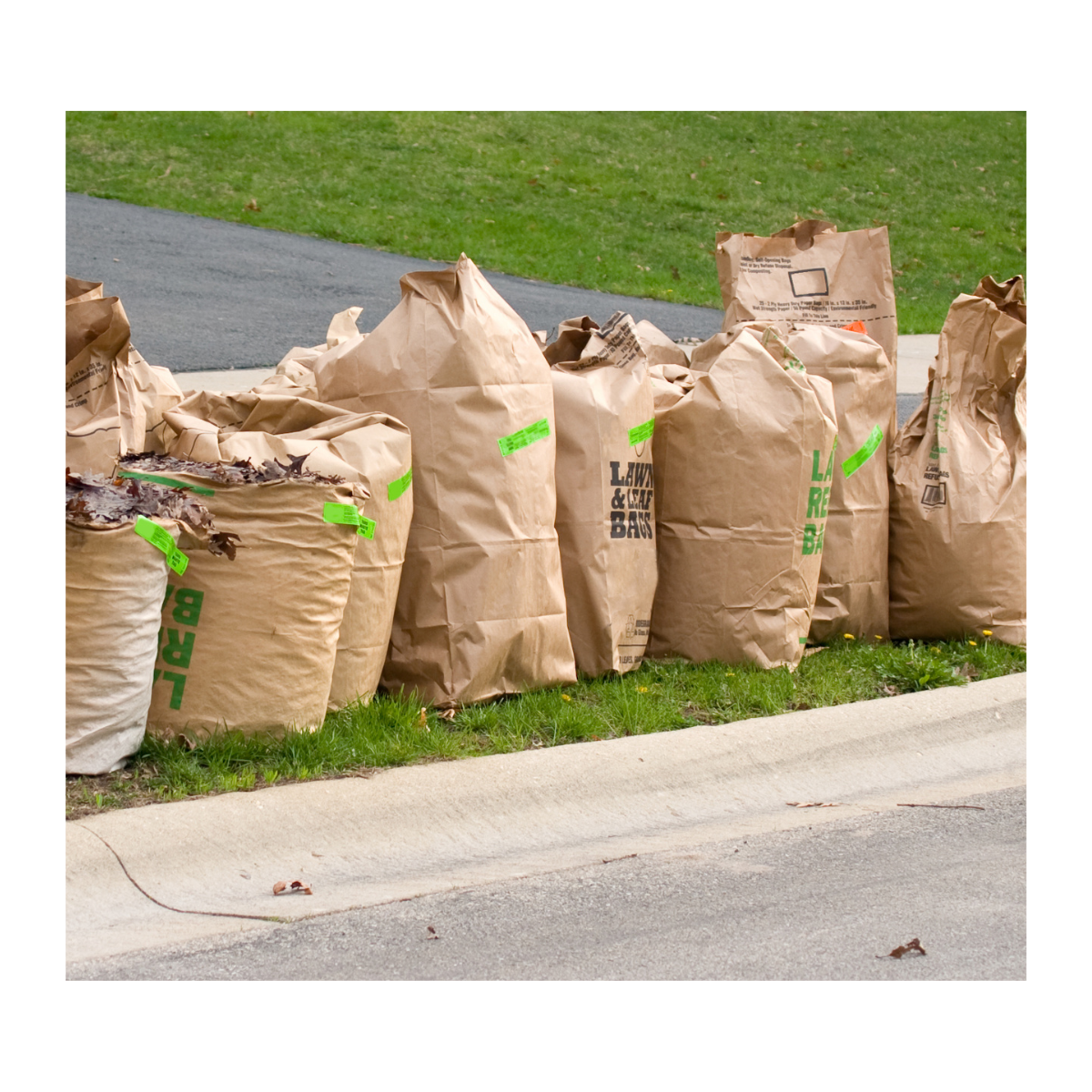
What kind of bags are allowed?
Biodegradable paper bags provide a sustainable option for leaf collection. They decompose naturally, reduce waste, and support more efficient, environmentally responsible yard waste collection. Plastic bags of any kind are prohibited.

Frequently Asked Questions
Can yard waste also be collected if bagged or raked out?
Yes! During fall leaf collection, yard waste will also be collected if it is in paper bags or added to a raked-out leaf pile in the street. The only other time yard waste is when it is bagged for collection at the collection point in the spring on your Project Clean and Green day.
Do I have to use paper bags?
Yes. All leaves collected by the City are composted. Plastic does not break down, so it would contaminate the compost pile and prevent the leaves inside from properly decomposing.
Why should I bag leaves?
Bagging leaves and placing a service request will ensure leaves are contained and can be collected (particularly in parking congested areas); reducing the impact on our storm water system. Equipment cannot access raked out leaf piles when vehicles are parked too close. While equipment may return if the schedule allows and a limited number of vacuum trucks can be assigned, some leaf piles will not get collected. Bagging leaves provides a more reliable collection option.
When will my leaves be collected?
During Fall Leaf collection, this website will have a map with updates of where crews are working, heading next, and where work has been completed.
How do you collect the leaves?
Sanitation provides a bulk leaf collection service. Dump trucks are mounted with leaf rakes to consolidate small leaf piles into larger piles. The larger piles are then collected with a garbage truck with a special leaf ramp. A small tractor then pushes the leaves into the garbage truck for composting.
A limited number of vacalls are also used in special circumstances. These trucks do not hold as many leaves and work more slowly then our standard leaf collection equipment.
What happens to my leaves?
Leaves are taken to the Waste Management compost site where Purple Cow Organics manages the material for 4 - 6 months to create a rich compost. Compost is then sold locally. Compost is a natural fertilizer that returns nutrients to the soil, improves its ability to absorb rain water, and keeps valuable resources out of the landfill.
Preventing the Next Flood Could Start at Your Curb
Adopt Your Drain
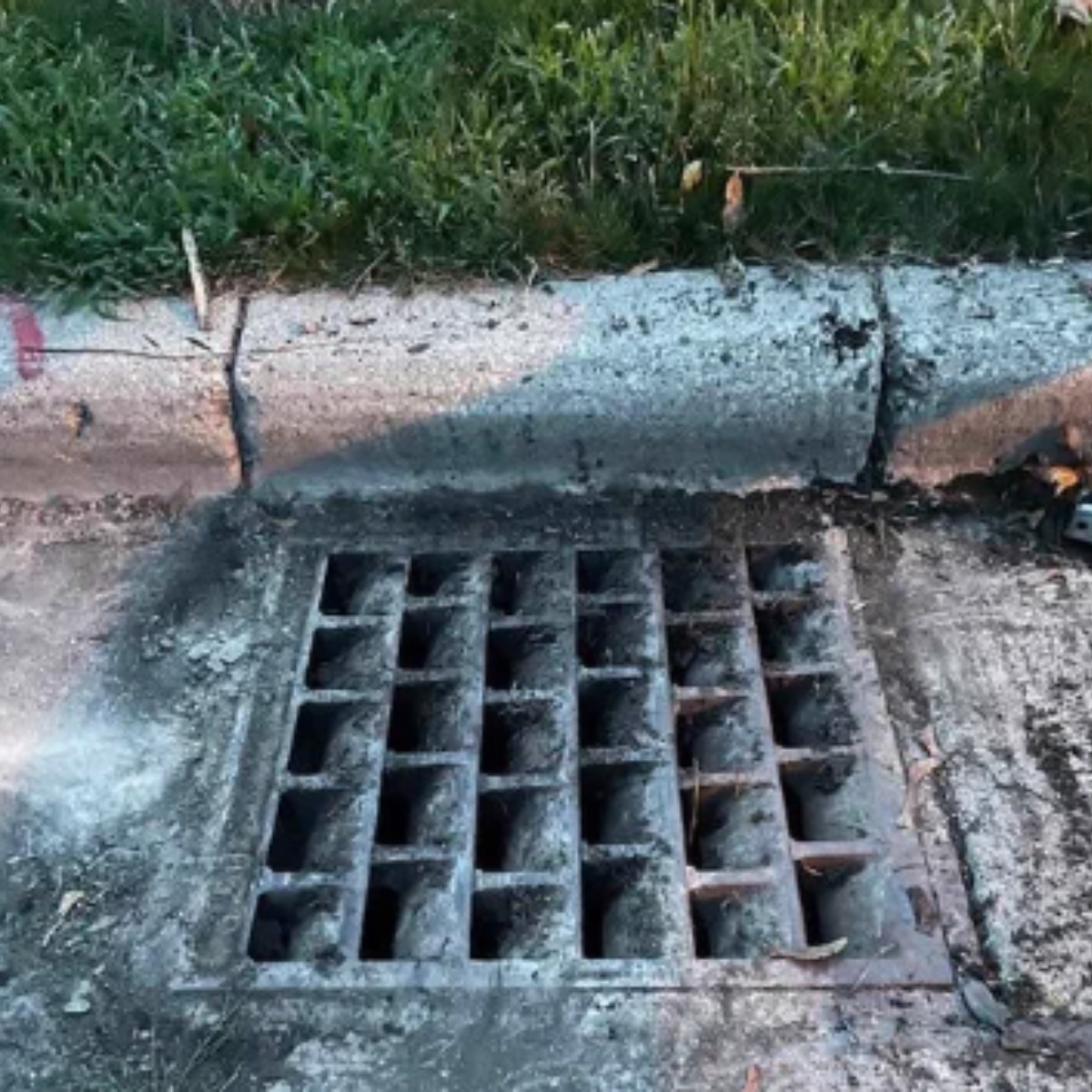
Adopting your drain is an important step towards protecting our watersheds. Debris like litter, oil, leaves, fertilizer, and other pollutants often enter our local waterways because in many areas our storm drains are a direct path to streams and rivers. Cleaning out storm drains and the areas around these drains can help to minimize the amount of pollutants that make it to our lakes, rivers, and streams. Every drain counts!
Ready To Learn More?
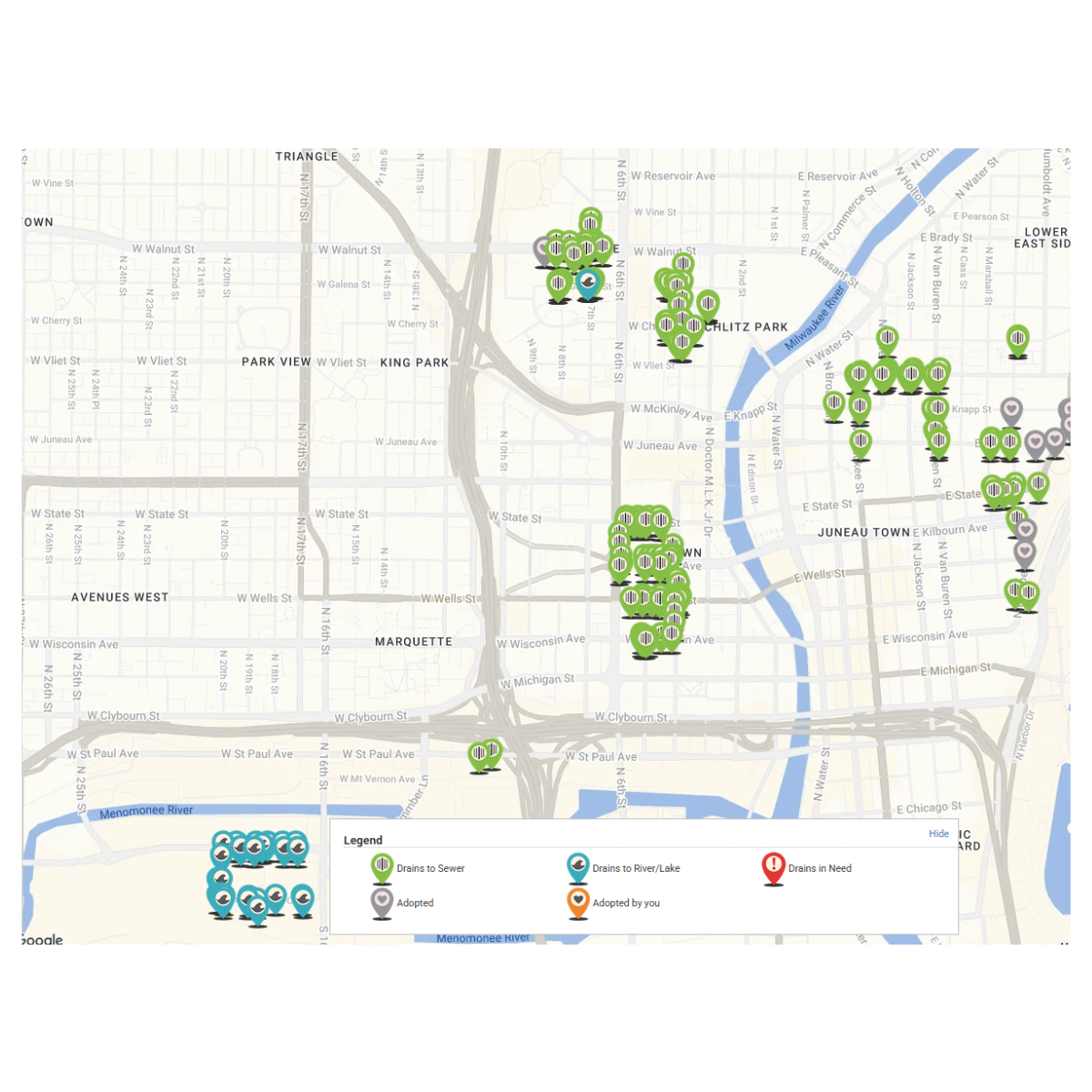
- Log on to adoptyourdrain.com
Use the search bar to look up your address and select a drain near you! Then finish filling out the required information, and you've officially adopted a drain!
- Keep it clean!
We ask our adopters to regularly clean out their drains while practicing proper safety measures. See below for more details!
- Track your progress!
Keep track of the materials you've collected and how much the material weighs (if possible). Also take note of how much time you spend collecting! We would love to have our adopters report the progress they are making. When you select your drain, you should see a space for you to provide this information.
Leaf Mulching
Easier than raking, consider mulching leaves in place. This returns the nutrients right to your soil. Leaves can also be composted in your backyard.