


Language Guide
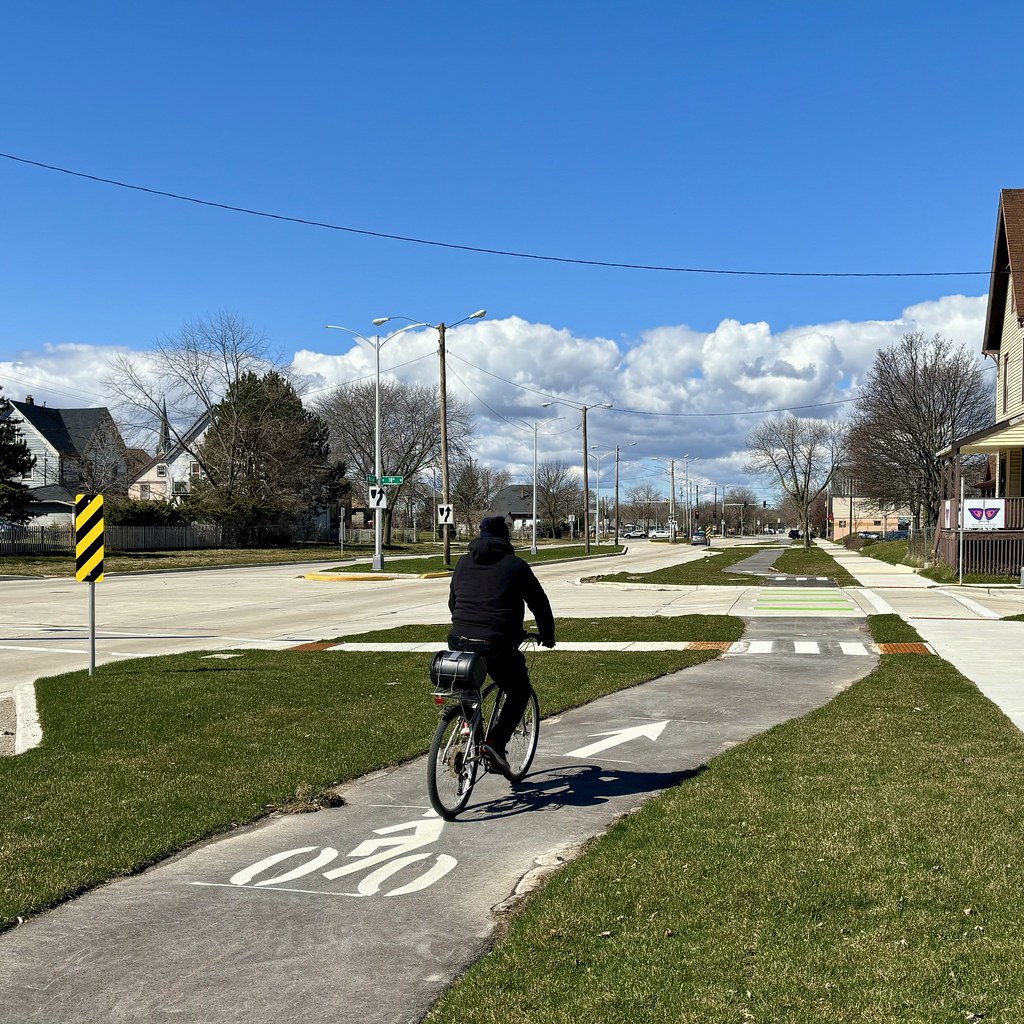
The DPW language guide establishes specific guidance for word choice, formatting, and nomenclature to be used in all public-facing materials.
For questions about language not listed in this guide, ask a MarCom officer (Sarah McClanahan at [email protected] or Tiffany Shepherd at [email protected]).
DPW conforms to AP Style unless otherwise noted in this guide.
The Language Guide can be found on Pages 17-27 of this document.
Guide Table of Contents
The following topics are covered in the language guide:
- People-Centric Language
- Date/Time Listings
- Numbers
- Oxford Comma
- Hyphenated & Non-Hyphenated Terminology
- Project Locations
- Project Types
- Project Phases
- Programs
- Traffic Calming Measures
- Types of Bikeways
- Street Lighting
- Miscellaneous
- Capitalization of “City”
- Vision Zero
- Complete Streets
- Reduce Speeding vs. Slow Speeds
- Public Information vs. Public Involvement
- Crash vs. Accident
- Alternate Route vs. Detour Route
Select Guide Content
Below is a small selection of content from the language guide
Open AllClose All
People-Centric Language
Instead of using the terms “pedestrians,” “bicyclists,” “motorists,” use people-centric language and say “people walking,” “people biking,” or “people driving” whenever possible
Oxford Comma
- DPW adheres AP Style in its public-facing materials
- However, for clarity in lists, DPW uses the Oxford comma
- Ex: The new street design will include traffic calming measures of curb extensions, raised crosswalks, and pedestrian refuge islands.
Project Locations
- When writing street names, abbreviate the directional with a capitalized initial and a period after it
- Ex: N. Oakland Avenue NOT North Oakland Avenue
- When writing street names, spell out the suffix in page titles or in copy.
- NOTE: Suffixes may be abbreviated (ex: “Street” to “St” or “Avenue” to “Ave”) in uses of smaller space, i.e. DPW Project Map listings, listings on maps.
- When writing the project street and its project limits, list the name of street being worked on first with the suffix spelled out, and then a dash and the starting (from) street name and ending (to) street name with directional and suffix abbreviated
- Ex: N. Sherman Boulevard - W. North Ave. to W. Capitol Dr.
- “From” and “To” project limits should be listed as south to north, or west or east
Crash vs. Accident
- DPW uses the word “crash” to describe a traffic-related incident on a street rather than “accident.”
- Accident implies there was no one at fault and the incident could not have been prevented.
- Crash implies that users of the street could have made different decisions to result in a different outcome.
Reduce Speeding vs. Slow Speeds
- DPW uses the phrase “reduce speeding” to describe a project goal rather than “slow speeds”
- DPW seeks to execute projects that create conditions where people drive the speed limit (i.e. people do not speed); DPW does not seek to create conditions of gridlock or traffic back-ups (i.e. traffic slowdowns)