Tick Prevention
Learn how to prevent tick bites, spot ticks, and take quick action to protect yourself from tick‑borne disease.
 Ticks and Tickborne Disease
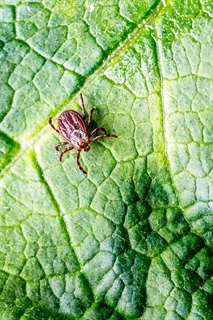
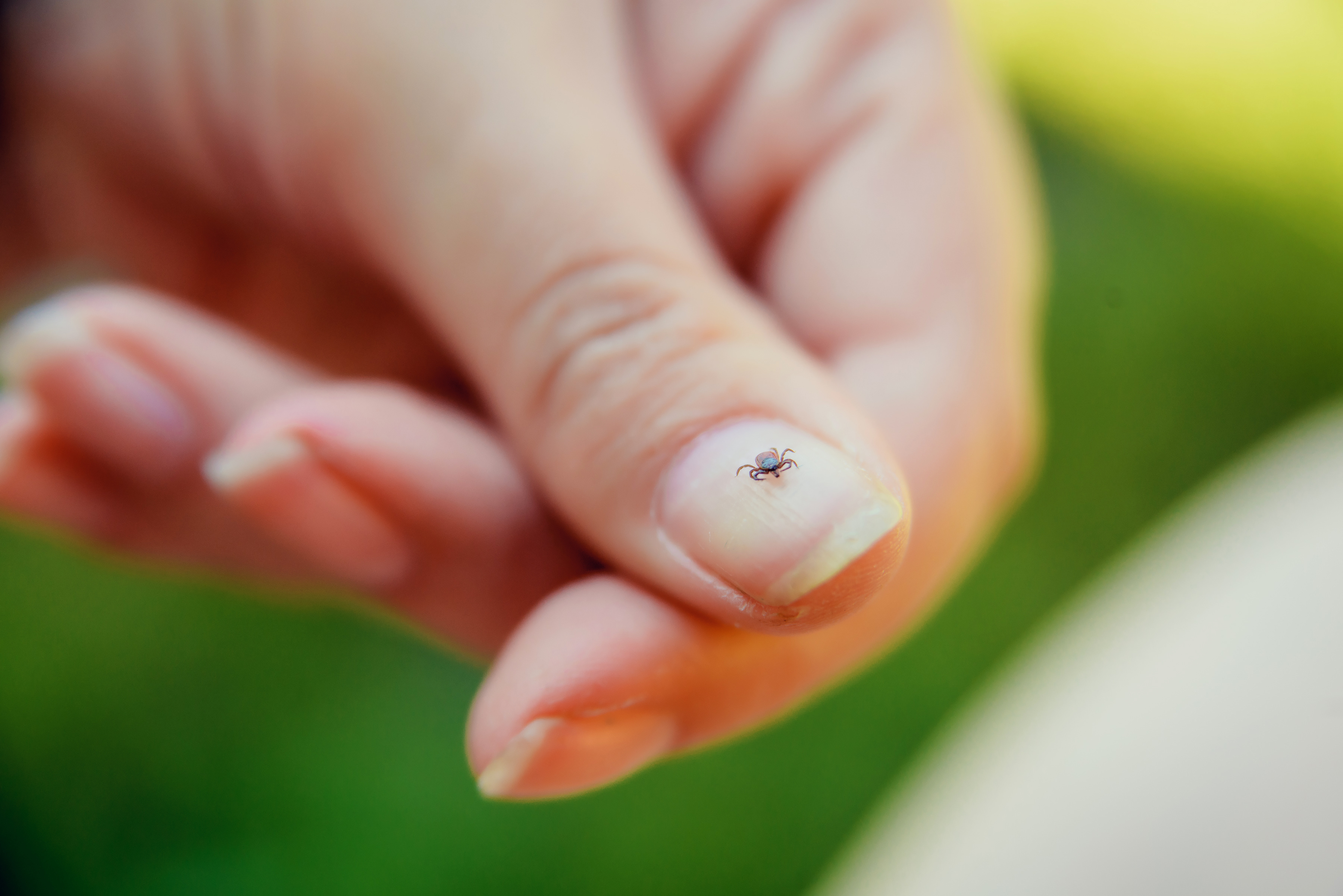
Ticks are small 8-legged creatures that are found in wooded, brushy, and tall grassy areas.
While ticks are a natural part of the environment, they can be a vector for diseases including Lyme disease. In order to avoid getting sick, it is important to understand how to prevent tick bites and what to do in case you do find a tick bite on you or your loved ones.
Prevent the Bite
The City of Milwaukee encourages residents to avoid tick bites altogether, as they can lead to a range of health issues. Tick bites may cause mild irritation or, in more serious cases, transmit diseases or trigger conditions such as Alpha‑Gal Syndrome. Effective tick prevention requires proactive steps, and the best protection comes from using multiple prevention methods. Although ticks are most active in Wisconsin from May to November, precautions should be taken throughout the year.
Know Where to Expect Ticks
- Ticks are usually found in areas that are wooded or have tall grass or brush. They thrive in warm and humid environments. Ticks can’t fly, so they attach to people or animals when they brush against blades of grass or leaves.
Treat Your Clothes with Premethrin
-
Permethrin is an FDA-approved and EPA-registered synthetic insecticide that can be used to treat clothing and gear to prevent tick bites.
-
Clothing may come pre-treated with permethrin or it can be treated using a product containing 0.5% permethrin.
-
When treating clothing and gear, make sure to follow product instructions. Apply permethrin while outside or in a well-ventilated area. Hang clothing or gear to dry before wearing.
Avoid Contact with Ticks
- When outdoors, walk in the center of trails to minimize brushing against plants. Use caution in wooded areas and areas with tall grass and brush.
Dress Tick-Smart
-
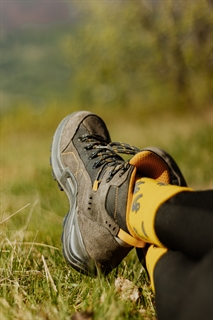
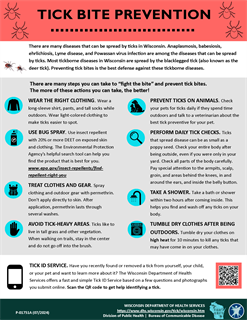
Wear long sleeves, long pants, and tall socks. Tuck your shirt into your pants and your pants into your socks to keep ticks from getting onto your skin.
-
Wear light-colored clothes so that you can spot and remove ticks.
-
Additional information and reference on permethrin:
Use Repellents
- Use an insect repellent! Insect repellent should be applied after sunscreen.
-
Products should contain DEET, picaridin, IR3535, Oil of Lemon Eucalyptus (OLE), para-menthane-diol (PMD), or 2-undecanone. OLE and PMD should not be used for children under 3 years old. Use product as directed.
-
Use the EPA Repellent Search Tool to find the insect repellent that is best for you.
-
The CDC Insect Repellent Guide can also provide additional information on choosing an insect repellent, applying the repellent and more.
Check for Ticks Daily
- After being outdoors, check yourself and your child’s clothing and body for ticks. Ticks are most likely to be found under the arms, in and around the ears, inside the belly button, on the back of the knees, in and around hair, between legs, and around the waist.
You Found a Tick! Now What?
If you do find a tick on your body, remove it as soon as possible. Do not wait to go to a healthcare provider.
To remove a tick:
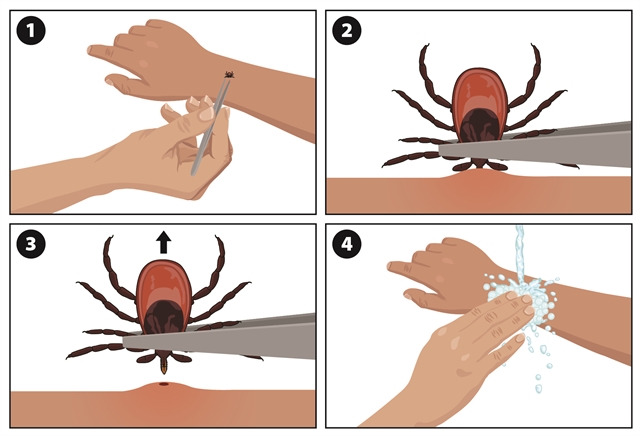
• Use tweezers to grab the tick as close as possible to the skin. If no tweezers are available, use your fingers to grasp the tick. Avoid squeezing or crushing the tick’s body.
• Use steady, even pressure to pull the tick away from the skin. Do not twist or jerk. If the tick mouthpart breaks off and remains in the skin, try to remove with tweezers. If you aren't able to remove it easily, leave it alone.
• Once the tick is removed, clean the bite area and your hands with soap and water.
• Dispose of a live tick by flushing it down the toilet, placing it in a sealed container, wrapping it tightly with tape, or putting it in alcohol.
Should I See a Doctor After Being Bitten by a Tick?
Tick bites can be unpleasant and can sometimes cause an illness, however, most people do not need to see a doctor immediately after being bitten by a tick. Taking antibiotics is usually not recommended to prevent illnesses caused by ticks after being bitten, but it can be helpful in some circumstances.
How do you know if you should see a doctor? You can use the CDC Tick Bite Guide to determine if and when to seek healthcare after a tick bite.
Whether or not you see a doctor immediately after a tick bite, you should monitor for symptoms for at least 30 days after removing the tick. Call your health care provider right away if you develop any of the following symptoms within 30 days after being bitten:
• Rash
• Fever
• New or worsening fatigue
• New or worsening muscle pain
• Joint swelling and pain
Tick ID Service
Have you recently found or removed a tick from yourself, your child, or your pet and want to learn more about it? The Wisconsin Department of Health Services offers a fast and simple Tick Identification Service based on a few questions and photographs you submit online. You can send a submission if you live in Iowa, Illinois, Michigan, Minnesota, or Wisconsin.
Important note: The Tick Identification Service cannot determine if the tick you found was carrying any germs or whether it made you sick. If you were bitten by a tick, or think you may have been bitten, monitor yourself for rash, fever, new muscle and joint pain, and new fatigue for 30 days. If any of these symptoms occur, contact your health care provider immediately.
Additional Resources