


Newborn Screening Program
Newborns in Wisconsin are screened for 50 genetic disorders, heart defects, and hearing. Identifying and treating these conditions early helps ensure best outcomes for your baby.
Hearing
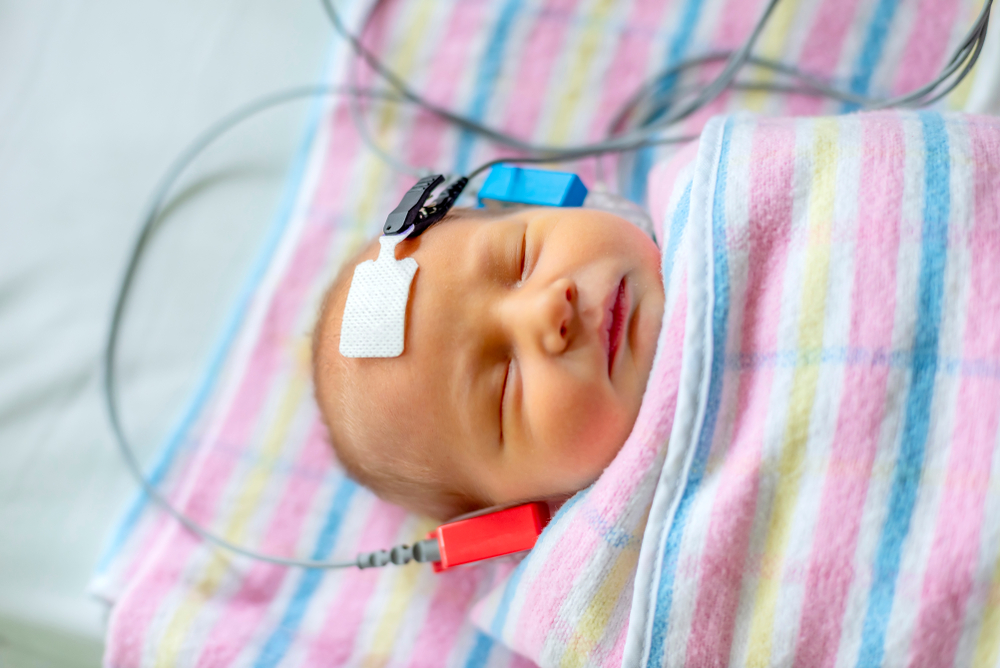
Hearing screenings are performed on newborns to ensure their ears are fully developed and working properly, as well as detect other possible complications like Sickle Cell Disease (SCD).
For hearing screenings, follow the 1-3-6 Goal for your baby:
- By 1 month of age: first hearing screening completed
- By 3 months of age: follow-up Audiology evaluation completed; any hearing issues are identified
- By 6 months of age: enrolled in Early Intervention (EI), if hearing issues are identified
Hearing Screening FAQs
Why are hearing screenings important for newborns?
- Healthy hearing helps you and your baby bond
- Babies listen and watch how people communicate
- Babies can best meet speech and language milestones when they have access to communication
What happens during my baby's hearing screening?
Your newborn’s hearing screening is:
- Quick, painless, and safe
- Completed in the hospital or by your community midwife
- Performed while baby quietly rests or sleeps
What are the next steps after my baby's hearing screening?
Follow-up is recommended when:
- Your baby does not pass the newborn hearing screening
- Your baby’s healthcare provider recommends it, based on your baby’s medical history
- You have any concerns related to your baby’s hearing or speech development
Where can I find additional hearing screening resources?
EHDI-PALS
Web-based searchable national directory. The website provides information and support families and professionals through the process of hearing screening, diagnosis, and intervention. https://www.ehdi-pals.org/
WISCONSIN SOUND BEGINNINGS
State of Wisconsin's Early Hearing Detection and Intervention (EHDI) program, ensuring that all babies born in Wisconsin are screened for hearing loss, receive timely diagnosis of hearing loss and receive quality early intervention. https://www.dhs.wisconsin.gov/newbornscreening/hearing.htm
PARENTS REACHING OUT
Service of the WI Department of Health Services and the Children and Youth with Special Health Care Needs Resource Centers. It is intended to provide emotional support and information to WI families raising children who are deaf/hard of hearing/deafplus. https://connectingamilies.waisman.wisc.edu/parents-reaching-out
Blood

A small blood sample is screened for over 50 rare but serious genetic, metabolic, hormonal, and functional disorders. Early detection allows for timely treatment and interventions that can prevent complications and support healthy development.
Blood Screening FAQs
Why are blood screenings important for newborns?
- Babies with a genetic disorder may not show symptoms right away
- Some conditions are life threatening if left untreated
What happens during my baby's blood screening?
- Droplets of blood from the baby’s heel are applied to a special collection paper (blood card) before leaving the hospital
- The blood card is sent to the Wisconsin State Lab of Hygiene in Madison and screened for 50 different genetic disorders
- Screening results take 3-5 days and are sent to the child’s pediatrician
What are the next steps after my baby's blood screening?
Follow-up
- In special instances screening may be done multiple times but typically it is done only once
- If the baby’s screening is positive, your pediatrician will let you know right away so that your baby can receive a confirmatory blood test. You may also be contacted by a specialist doctor for further treatment.
Critical Congenital Heart Defect (CCHD)
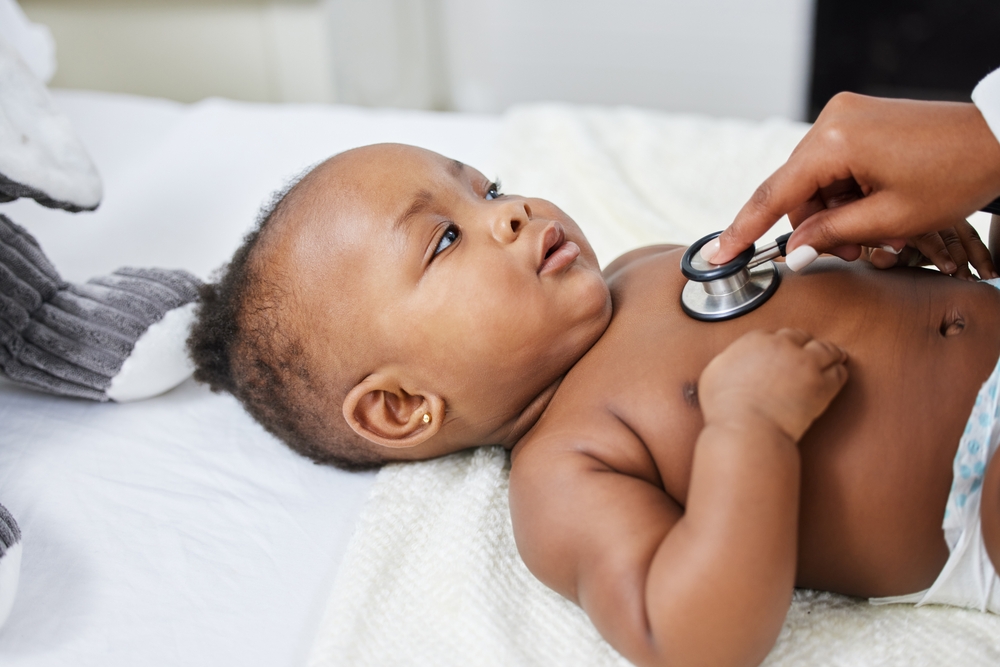
A CCHD screening checks the strength of a newborn’s heart and measures oxygen levels to make sure it is working properly. This helps doctors find serious heart problems early so babies can get the care they need right away.
CCHD Screening FAQs
Why are CCHD screenings important for newborns?
- Most cardiac disorders in babies are diagnosed before birth through during a routine ultrasound. However, fetal ultrasounds cannot always see a baby’s heart from all angles so CCHD screening is an important part of making sure a baby’s heart is healthy after they are born.
What happens during my baby's CCHD screening?
- During CCHD screening a pulse oximeter is applied to one of baby’s hands and feet
- Pulse oximetry measures how well oxygen is circulating in blood
- The pulse oximeter measurements should be about the same on the hand and foot. If they are notably different, that may indicate a structural abnormality with the baby’s heart.
What are the next steps after my baby's CCHD screening?
Follow up:
- If pulse oximetry levels are low, then the baby will have a heart ultrasound to determine if further care is needed
- If the heart ultrasound shows anything irregular, the baby will be seen by a pediatric cardiologist