


Be Sure To Be Safe Program
The Milwaukee Fire Department's Fire Prevention Bureau has developed the "Be Sure To Be Safe" program that is used at the Survive Alive House to teach children the safe way to escape from a burning building. Below are the graphics used to teach children. This 15-step program is taught by Milwaukee firefighters.

Smoke alarms save lives. You should have a smoke alarm outside your bedroom door. They should also be over space heaters and in rooms with bunk beds or lofts. Smoke alarms should be on the ceiling or high up on the wall. Smoke alarms are not expensive. You can find them at hardware stores and some grocery, drug, and convenient stores. If your family cannot afford a smoke alarm and resides within the City of Milwaukee, they are available free through MFD or at reduced cost through the Red Cross for anyone outside the city. City of Milwaukee residents may call the Smoke Alarm Hotline at (414) 286-8980 to request a smoke alarm be installed in their home.
Press the TEST button at least once a month. Change the 9-volt battery every year. When you change your clocks in fall or spring, change your smoke alarm batteries as well. Some smoke alarms have batteries that last ten years.
If your smoke alarms chirps about once a minute, this means the battery is low and must be changed right away. Batteries should never be removed unless immediately being replaced. Smoke from burnt food contains poisons just like cigarette smoke. The smoke should be removed from the house.
A smoke alarm that is ten years old or older should be replaced.
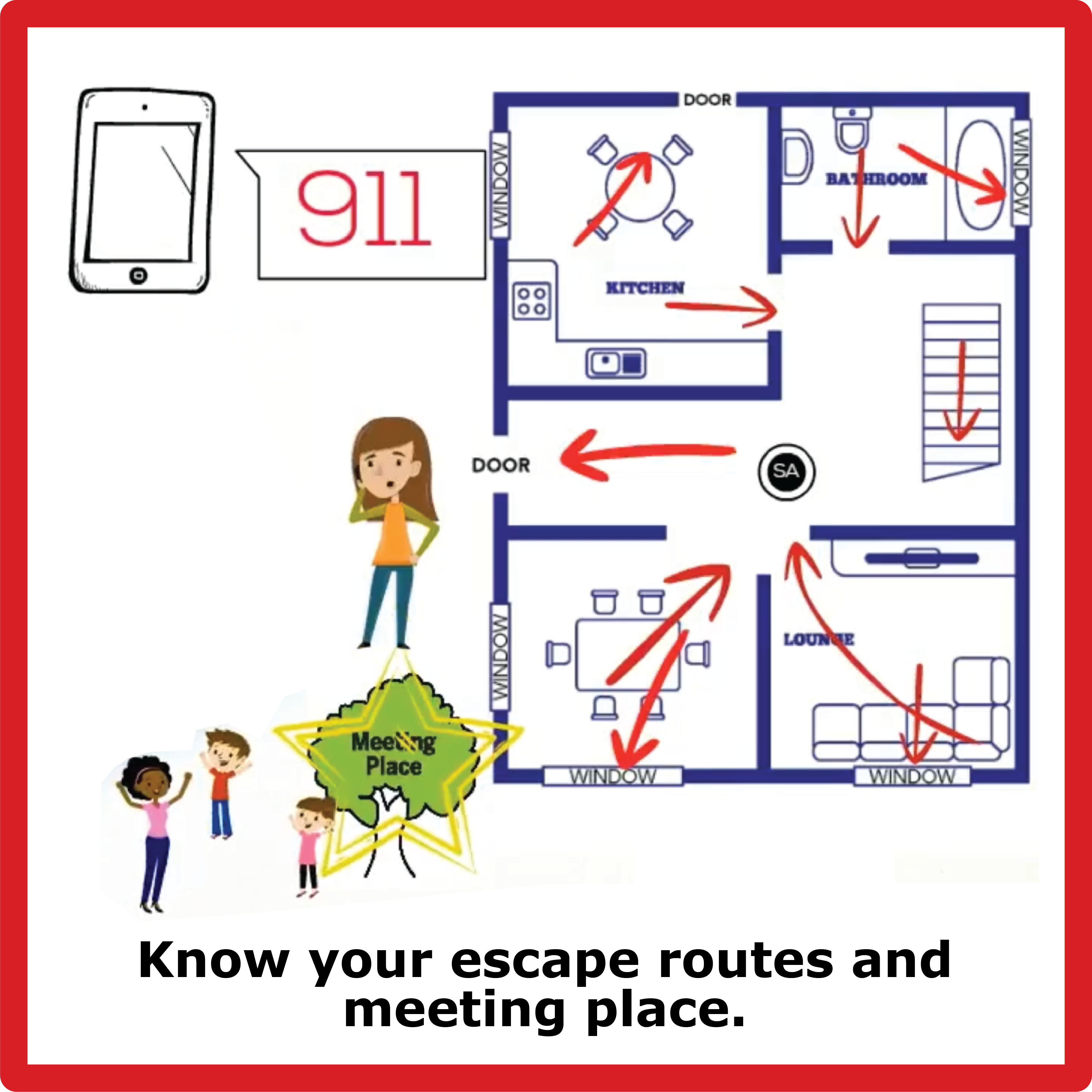
You should think of an escape plan if you are sleeping at a friend or relative's house. Escape plans in hotels should be on the inside of the room doors.
You should have at least two ways out of every room. Your family must have one meeting place. This is how you will know if everyone is out. It is a good idea to draw your escape plan and hang it on your refrigerator. If you move, your family must make a new escape plan. Your escape routes and meeting place are your escape plan. Your entire family should know the escape plan for your house.
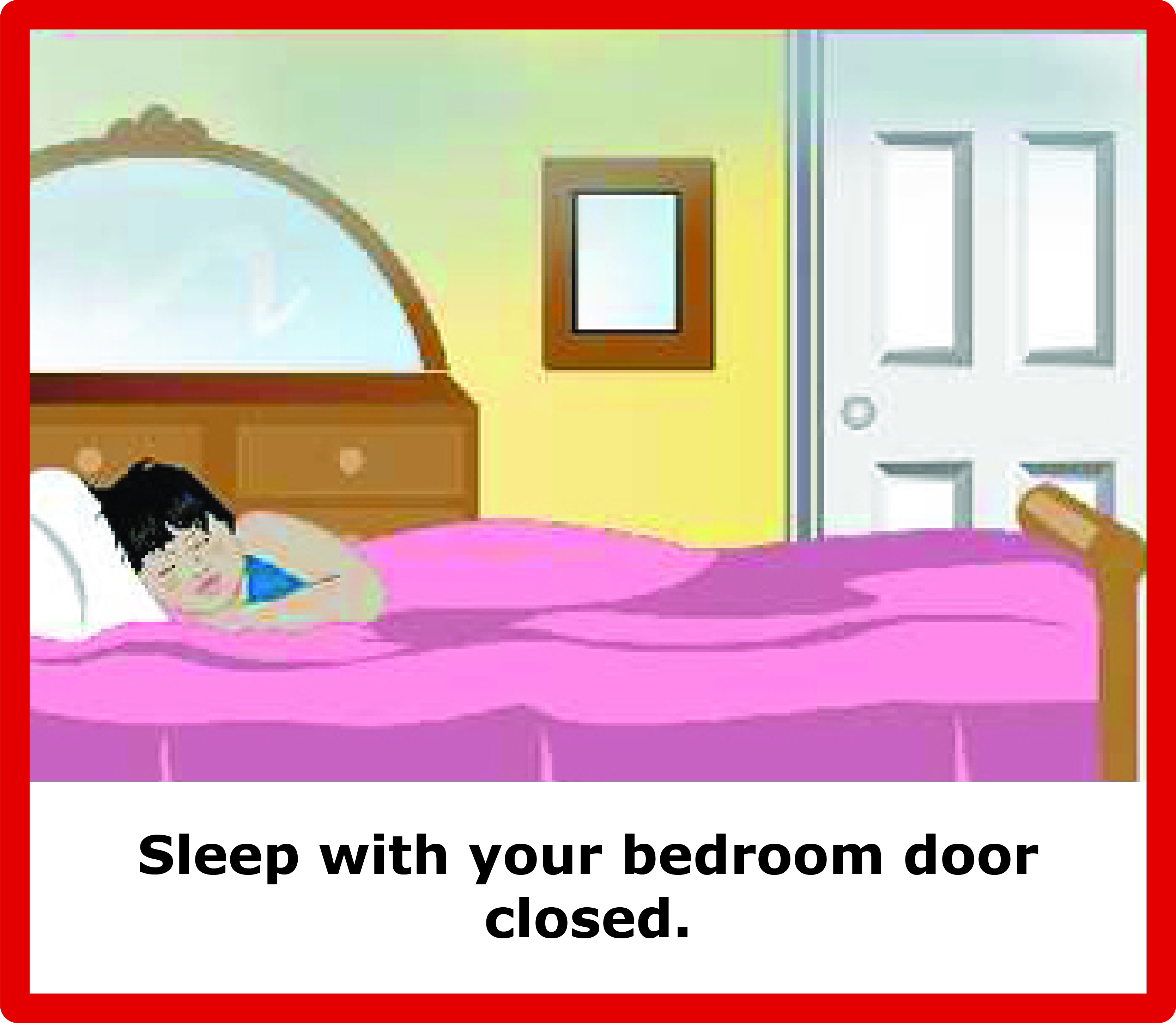
Very few house fires start in bedrooms. Bedroom fires are often related to the careless use of smoking materials. Sleeping with your door closed keeps you safe from smoke and heat. A room full of smoke is pressurized. The smoke is going to speed through an open doorway as fast as air escaping from an untied balloon. If you leave your door open even just a crack, your room will quickly fill up with hot smoke. A tightly-closed door will keep most heat and smoke out. If your smoke detector sounds an alarm, be safe and GET OUT FAST! Below are the steps you should take!
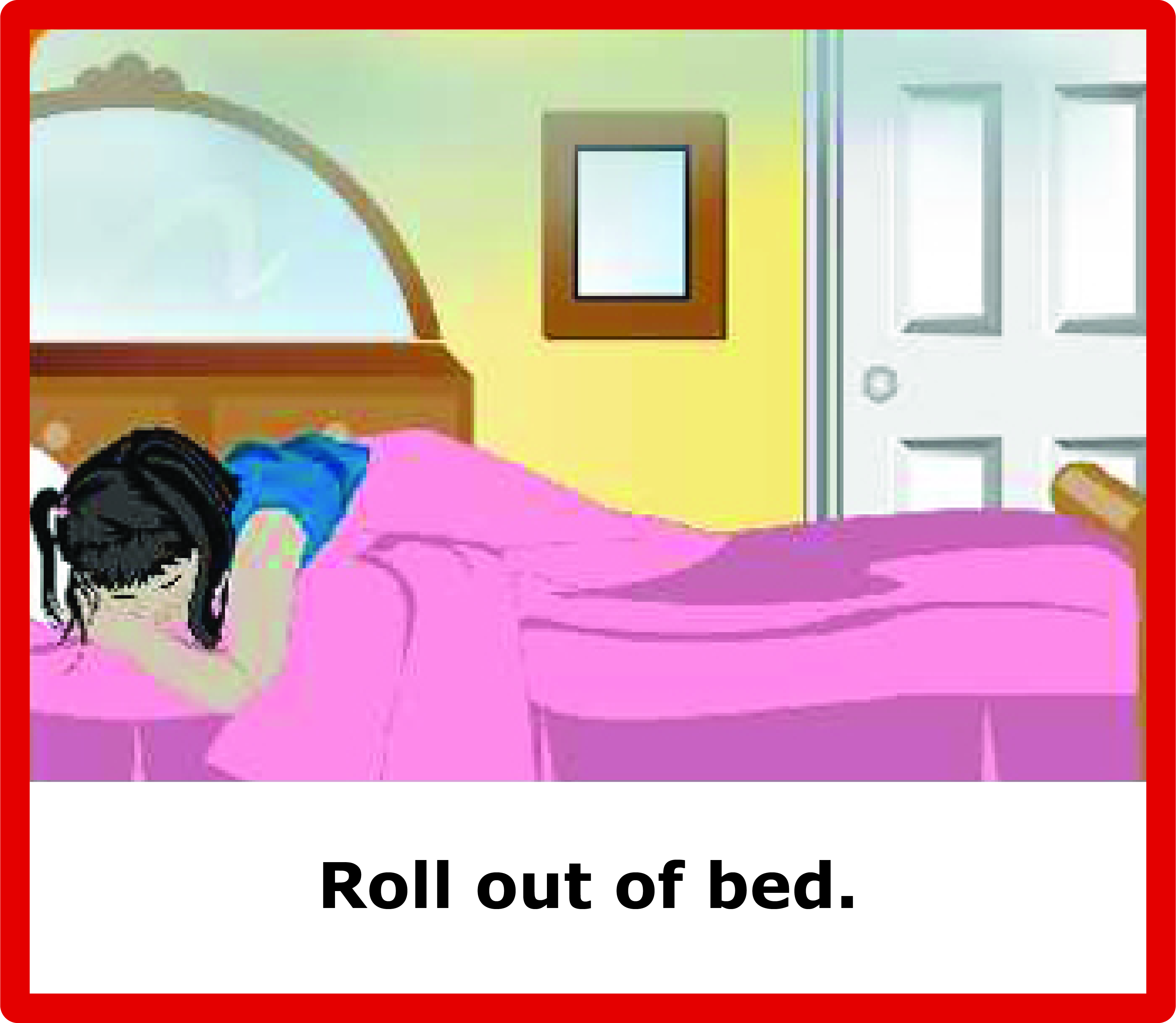
Smoke goes up like a hot air balloon because it is warmer than the air around it. The ceiling traps the smoke and heat. The good air is pushed to the floor. It can be over 1000 degrees Fahrenheit at the ceiling and over 400 degrees above your bed. Sitting up would be like climbing into an oven where french fries or frozen pizzas are cooking.
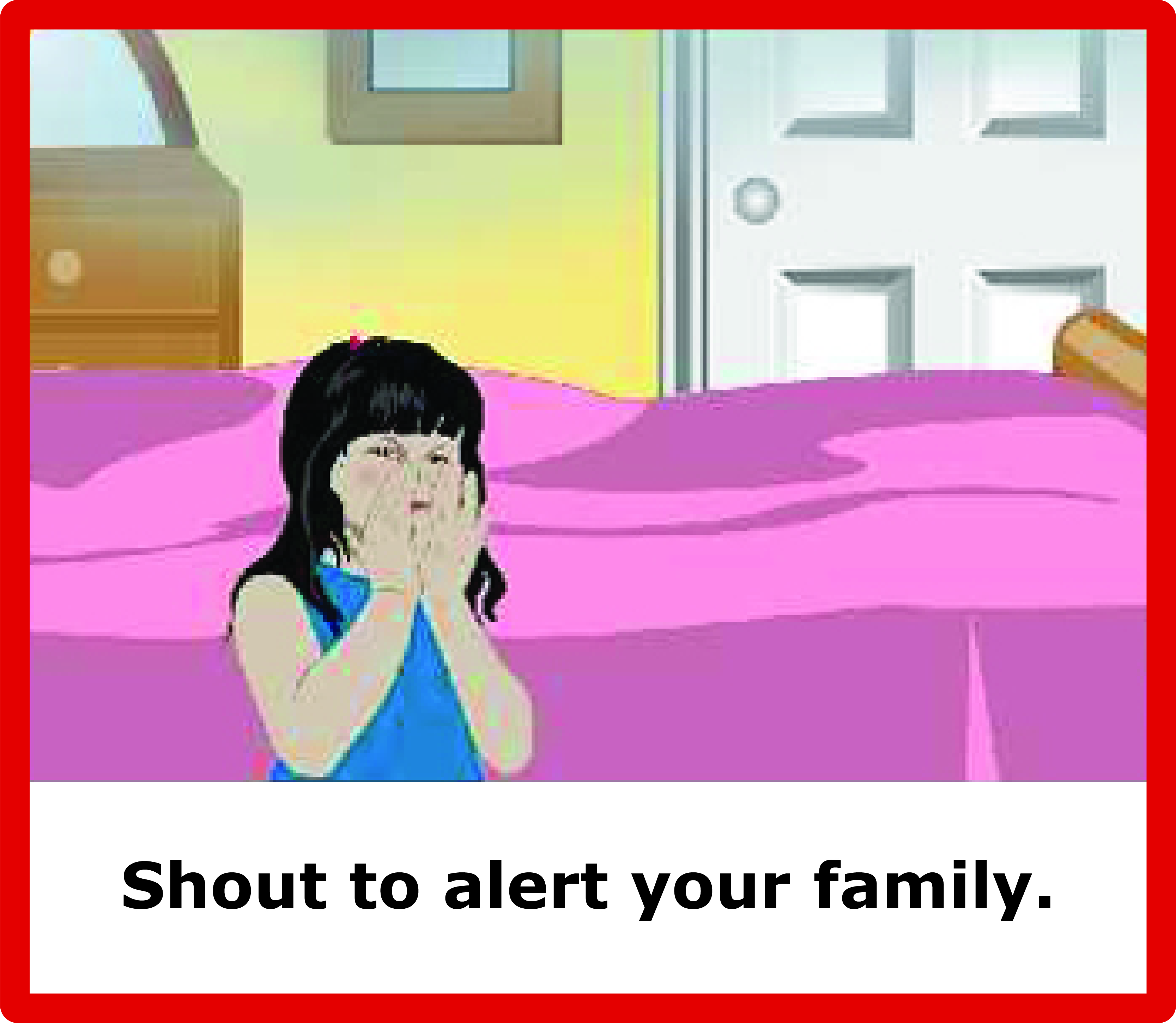
Some people have a hard time waking up. Shout "FIRE!" Do not slow down. Get out of the building quickly!
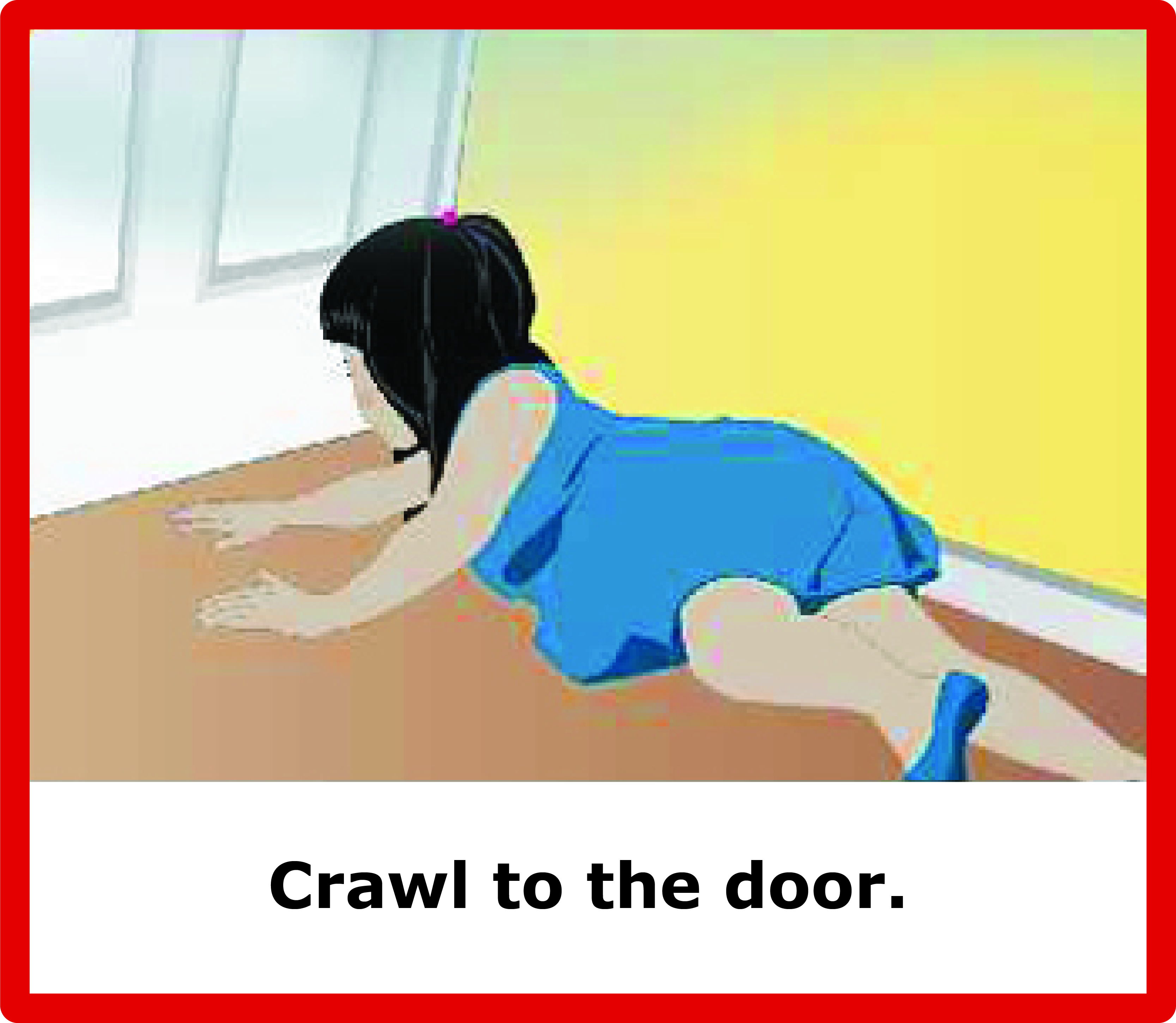
Crawl quickly on your hands and knees. Crawling on your belly like a worm will slow you down.
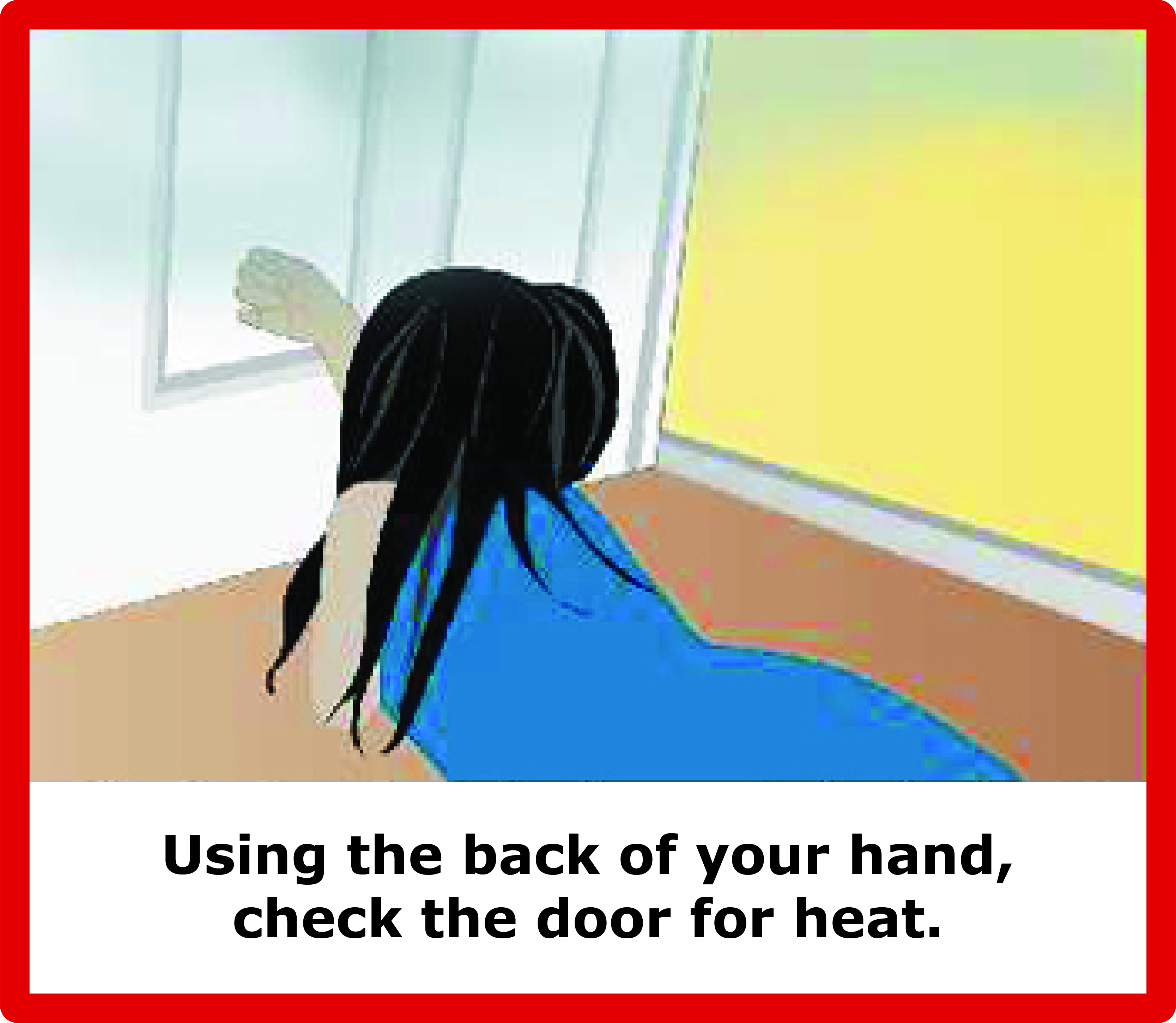
The back of your hand is more sensitive to heat. Start at the bottom of the door and move your hand toward the top. If the bottom of the door is warm, touching the top of the door first might burn you. Feel the doorknob last. A metal doorknob can heat up faster than a wooden door.
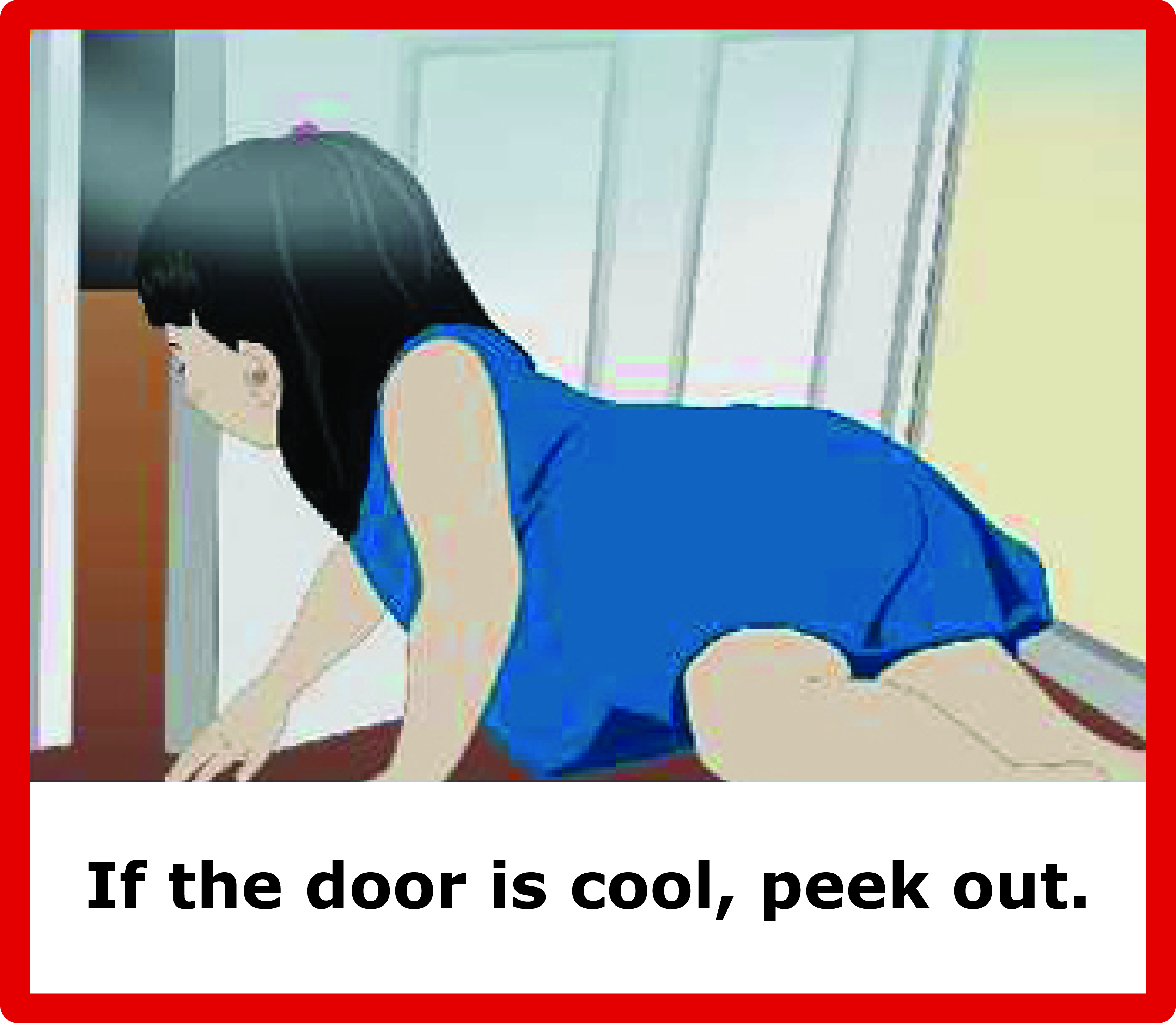
If the door opens inward, use the door as a shield. If the door opens away from you, use the wall as a shield. If any flames come out, they will not hurt your face. Crack the door open. Look up and down through the opening for smoke or fire. Close the door if you see any fire or a lot of smoke. If you see some smoke by the ceiling, you can try escaping out the door.
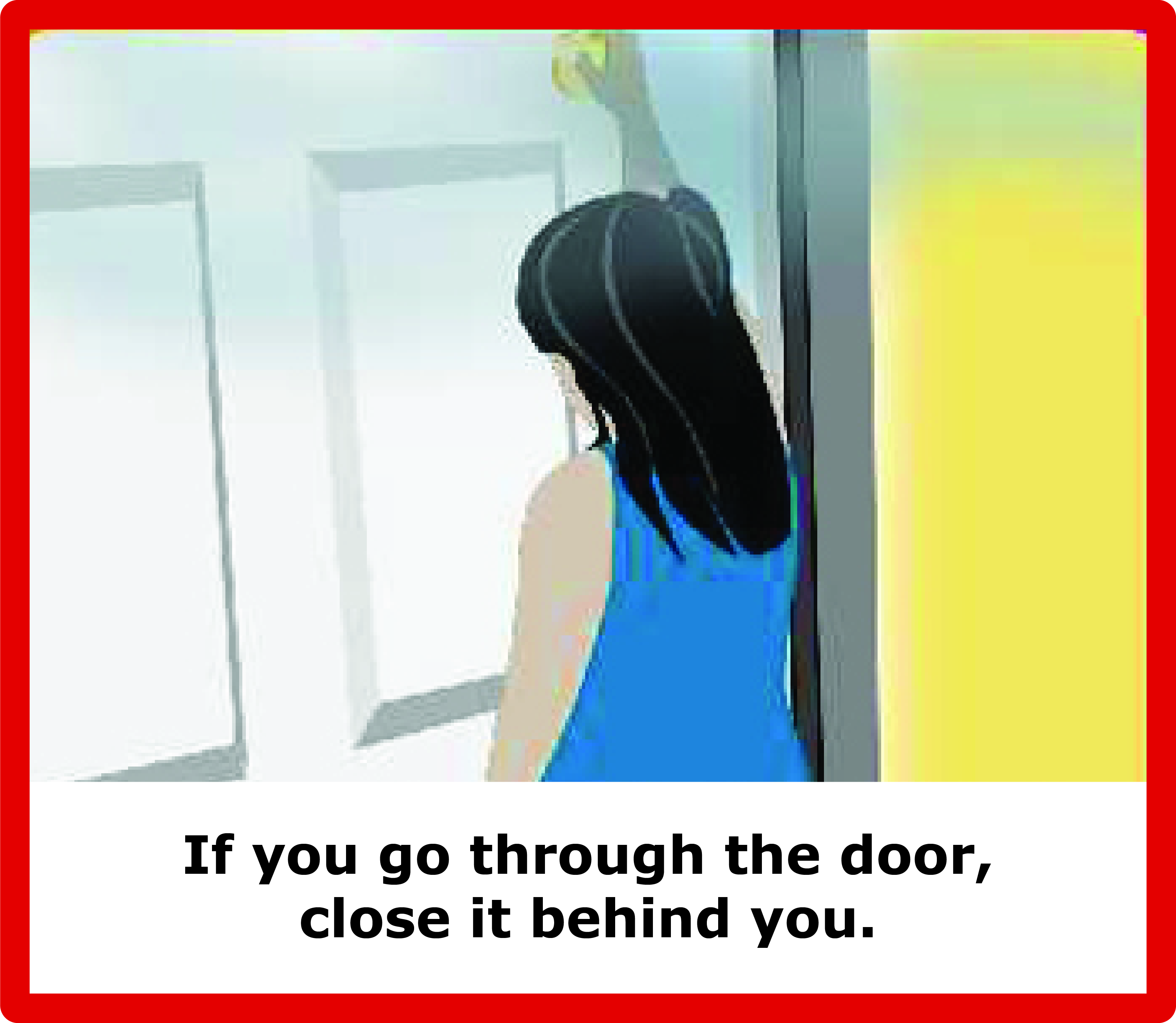
Closing the door keeps the smoke and heat out of your room. If you decide it is too hot or smoky to go down the hall or stairs, you can turn around and go back to your room. Closing the door should keep it safe for a little while. This will give you more time to try your second way out.
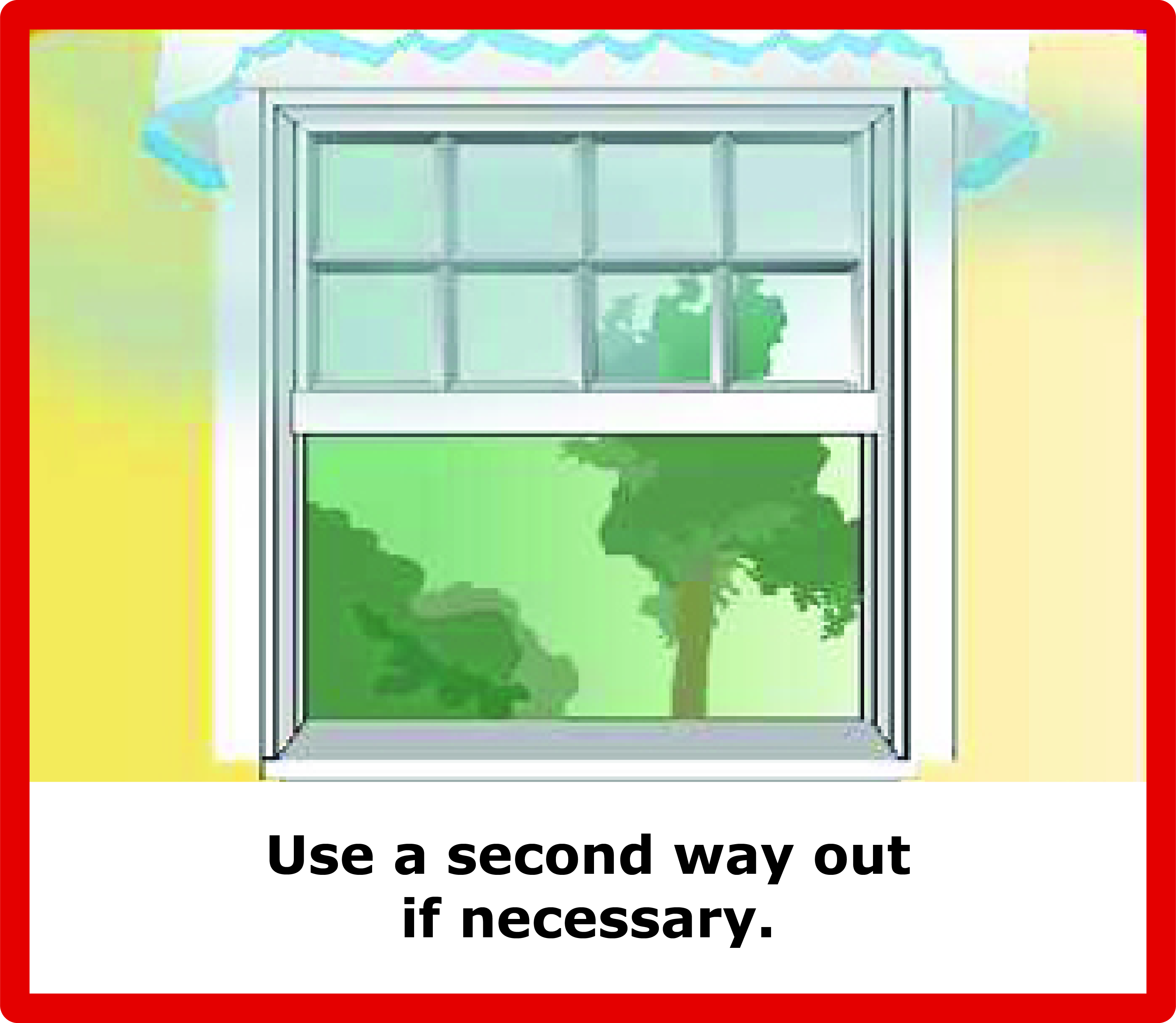
If you can not get out the door, you will need to use your second way out. Open windows. Do not break them. Broken glass can hurt and scar you. When you practice your escape plan and if you cannot open your window, tell the grownups in charge of your house. The window should be fixed right away. If you have metal bars on your windows, they should be secured with a padlock. You must have the key in your room to unlock the bars. You should be able to safely push open a window screen. Yell "FIRE!" "HELP!" and "I'M TRAPPED!" loudly. You are trying to wake people up. Throw things out the window to get peoples' attention. Aim for windows to wake up neighbors. Hang a sheet or blanket out the window to signal the firefighters. Keep low and stay by the window. You might become trapped at a friends or relatives house. At home, you should know and practice your escape routes.
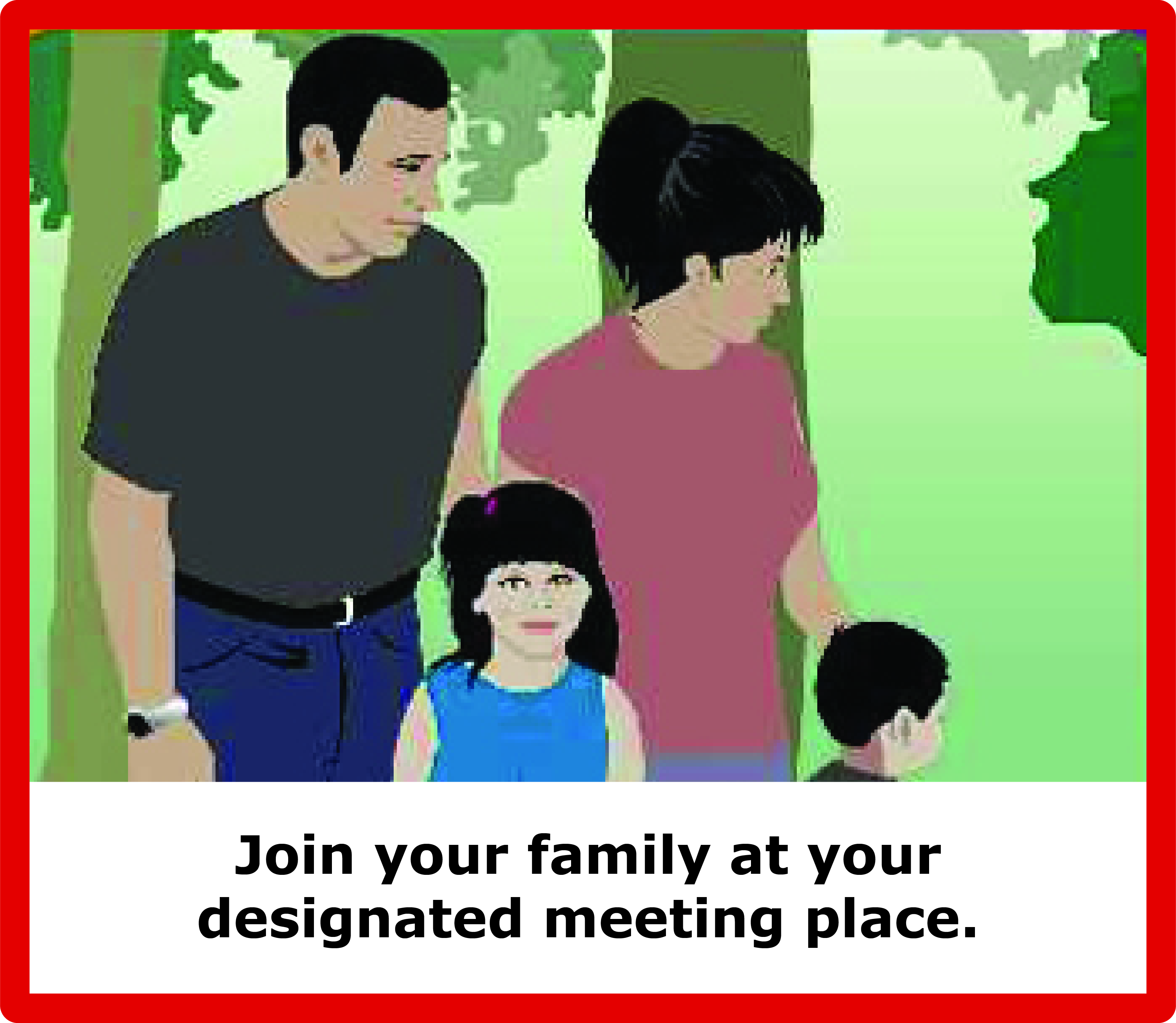
Your entire family must know your meeting place. The meeting place should be a safe distance from your house. Good meeting places are trees, poles, or a neighbor's porch. These things do not move. A car is a bad meeting place because it can move.
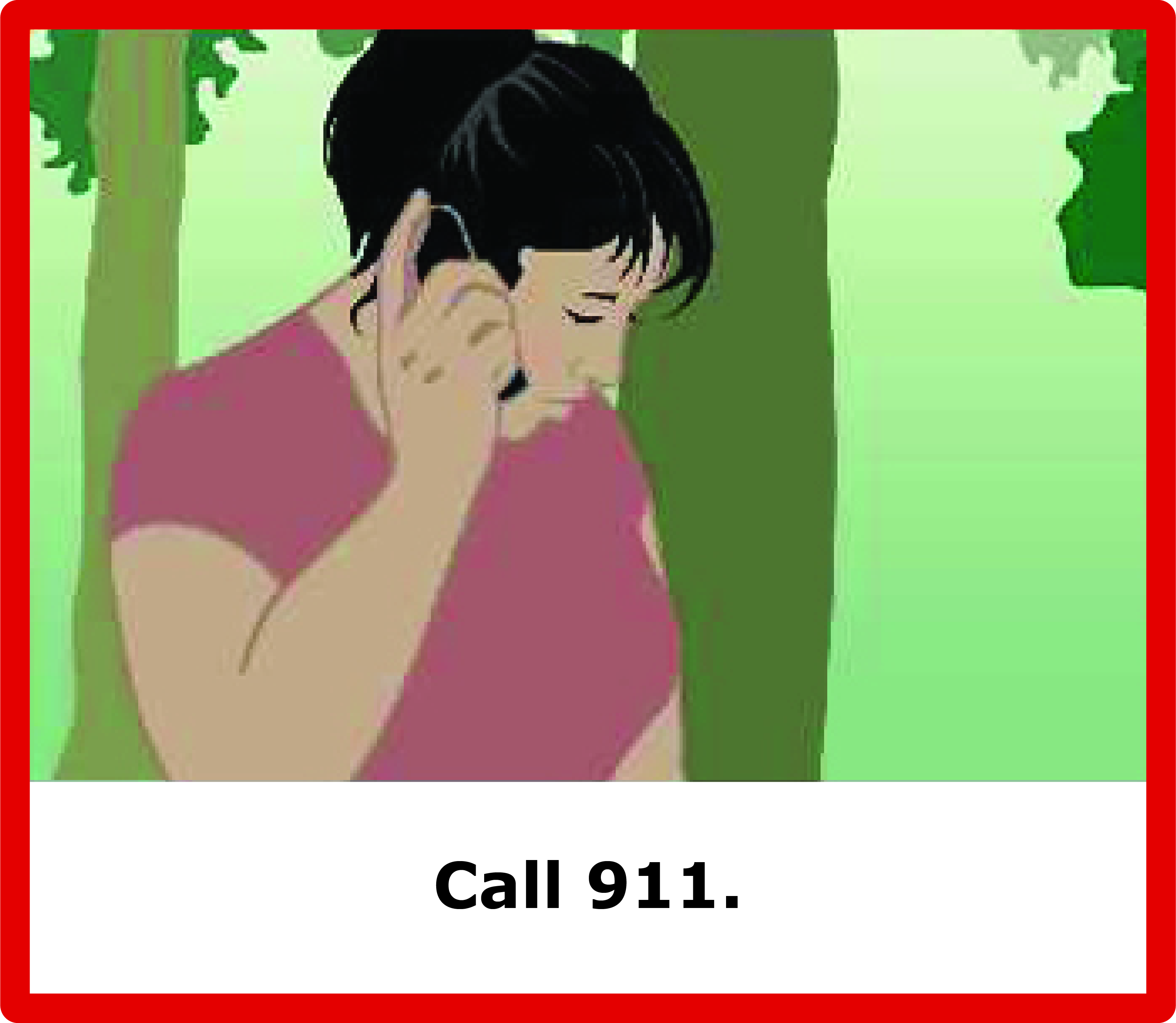
Call 911 after you are out of the house. You should always know your home address. 911 is used for emergencies when help is needed right away. There are other phone numbers for the fire and police department if the situation is not an emergency. Sometimes people with emergencies get a busy signal when calling 911 becuase other people are calling for the wrong reasons.
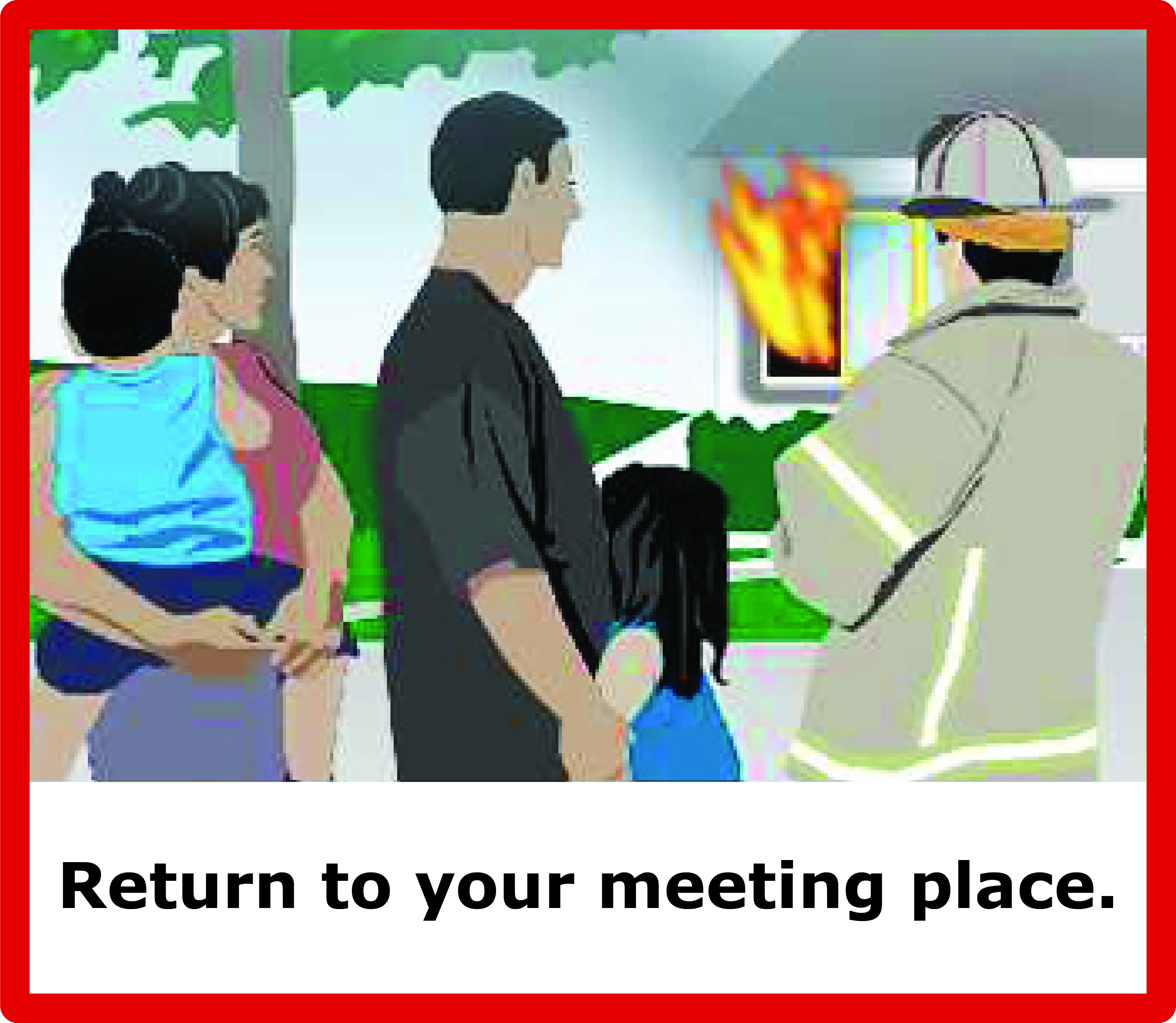
After calling 911, return to your family at your meeting place.
Be sure to practice your escape plan!