
Chapter 6
Citizen Stop and Search Practices
Finding 33
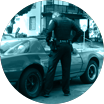
MPD's traffic stop practices have a disparate impact on the African-American community.
MPD should engage an independent evaluator to measure the community impact of its traffic enforcement strategy as compared to the potential benefits of the strategy.
The department’s traffic enforcement policy (Memorandum 2017-275) specifically addresses this finding as our policy states, “It is abundantly clear that crime disproportionately afflicts some of our neighborhoods. It is an unfortunate paradox that the vulnerable neighborhoods that most need the police are often inhabited by racial and ethnic minorities who sometimes feel unfairly targeted by police. Yet experience tells us that the intelligent, assertive use of police authority to stop people and vehicles can be an invaluable tool that reduces crime and enhances safety in these same neighborhoods. Our challenge is to balance these very real considerations.” Our policy further addresses this challenge by stating, “Our integrity demands of us that we reject expedient tactics. The Milwaukee Police Department will continue to focus its energies on smart policing strategies based on data, accurate and timely intelligence, reasonable suspicion, probable cause, the judicious use of police discretion and partnerships with the community, while rejecting any tactics even partly based on assumptions about race or ethnicity.”
In addition to the department’s hot spot policing and directed patrol strategies, MPD’s current priority traffic enforcement model is based on the nationally recognized Data-Driven Approaches to Crime and Traffic Safety (DDACTS) program. DDACTS integrates location-based traffic crash, crime and other enforcement data to establish effective and efficient methods for deploying law enforcement resources. This model affords the department the dual benefit of reducing traffic crashes and crime, thus reducing overall social harm.
In 2015, the department also conducted extensive research on traffic stop enforcement, measuring subject, victim and race.
MPD would require technical assistance and a funding source in order to have an independent evaluator measure the community impact of our traffic enforcement strategy.
* Email or Phone:
People of color may act suspiciously because of fear. They need to be able to learn that officers do not make biased assumptions.
Marginalized people should show evidence of lessened fear of contact with the police and enhanced awareness that the police are present to serve and protect.
Milwaukee will never get the police chief it needs to make the city safe with Tom Barrett as mayor and with the political climate here. The fact is you need no nonsense tough law enforcement " for over 30 years in Milwaukee. I've seen every kind of blue ribbon commission, safety coalitioagainst law breakers to stem the tide of violent crime. Tough law enforcement is always interpreted as "harassing, racist, excessive...." The inner city residents talk out of 2 sides of their mouth. They want crime reduction and arrests of criminals but when police go into their neighborhoods they complain of over zealous policing. I've heard the same rhetoric about the need for "Community Policingn, crime summit, task force etc. there is or could ever be conceived. I'm done with Milwaukee. Good bye and good luck.
I don’t understand how pulling people over really contributes to a reduction in crime. Wouldn’t actually inviestigating and solving a crime have the same impact? Why does my family have to get loud muffler, broken tail light, and rolling stop tickets to catch violent criminals? I would rather see mpd focus on the real bad guys. Of course cops should stop bad drivers but it seems like this is all mpd spends time on is pulling people over.